The 2026 EU Pay Transparency Directive
Download your free, practical guide to understanding the new pay transparency requirements, essential for organisations with 50+ employees.
The Pay Transparency Directive is set to transform the landscape of people management. Download this free guide to discover the key changes introduced by the European regulations, how they impact your operations, and the practical steps you can take now to prepare with confidence, clarity, and legal security.
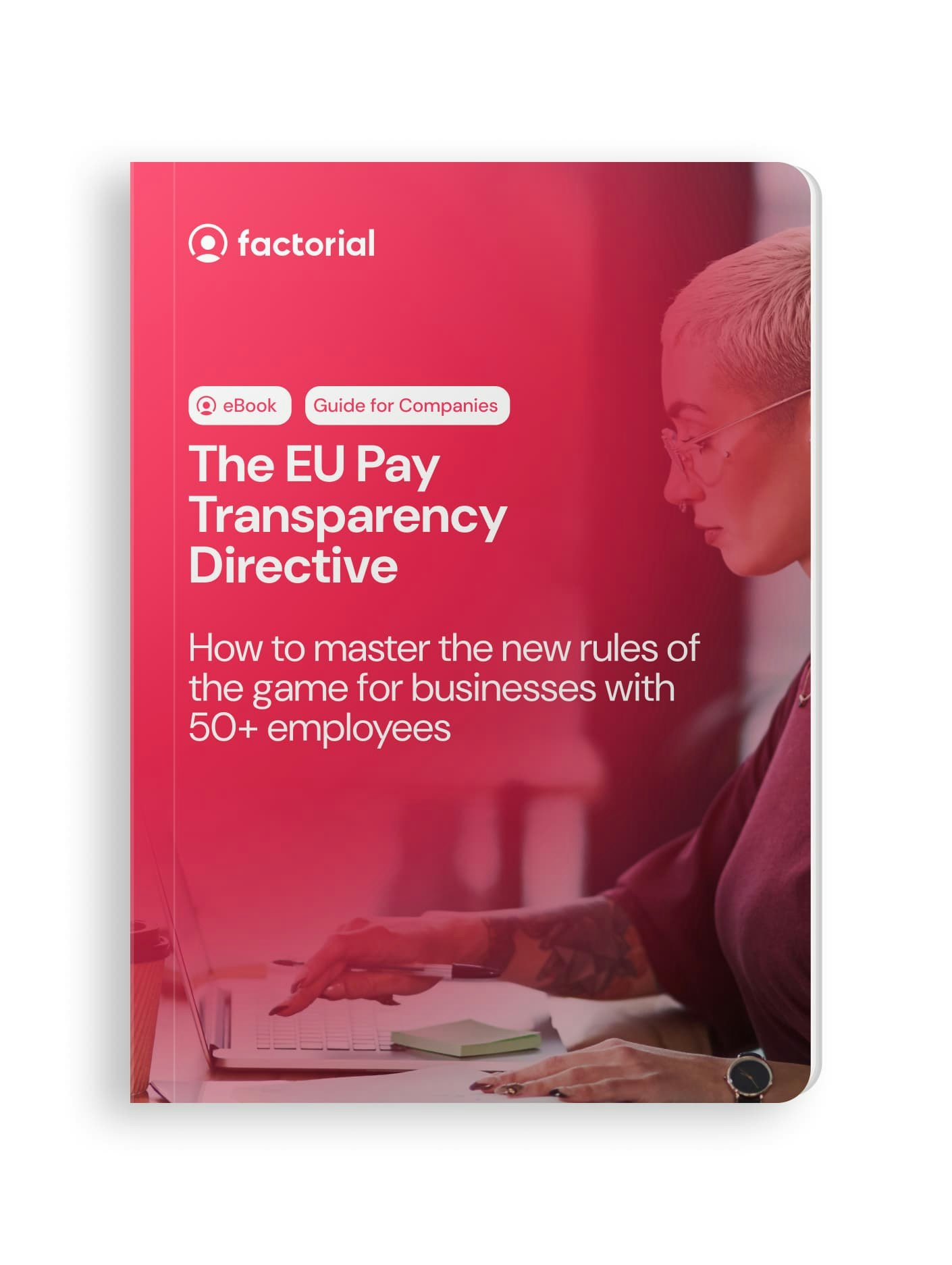
Key facts about the Pay Transparency Directive that every organisation with 50+ employees should have on their radar.
from June
EU Member States have until June 2026 to transpose the new European Pay Transparency Directive into their national legislation.
5%
if a pay gap of 5% or more exists without objective justification, the organisation must conduct a formal review and be prepared to provide data-driven evidence for the disparity.
+100 employees
Larger organisations will be subject to stricter formal requirements for reporting, monitoring, and traceability.
What’s in this guide to the Pay Transparency Directive?
Designed to help HR leaders, executives, and managers understand the practical requirements of the Pay Transparency Directive— and how to implement it without relying on guesswork.
1. Clear summary of the Pay Transparency Directive 2. Key changes for organisations with 50+ employees 3. Comparison: Traditional vs. the new regulatory model 4. Complete guide to objective job evaluation 5. Strategic action plan for early preparation 6. Checklist: How prepared is your company?
Evaluate whether your organisation has defined pay criteria, clear processes, and the capacity to respond to formal requests for salary information.
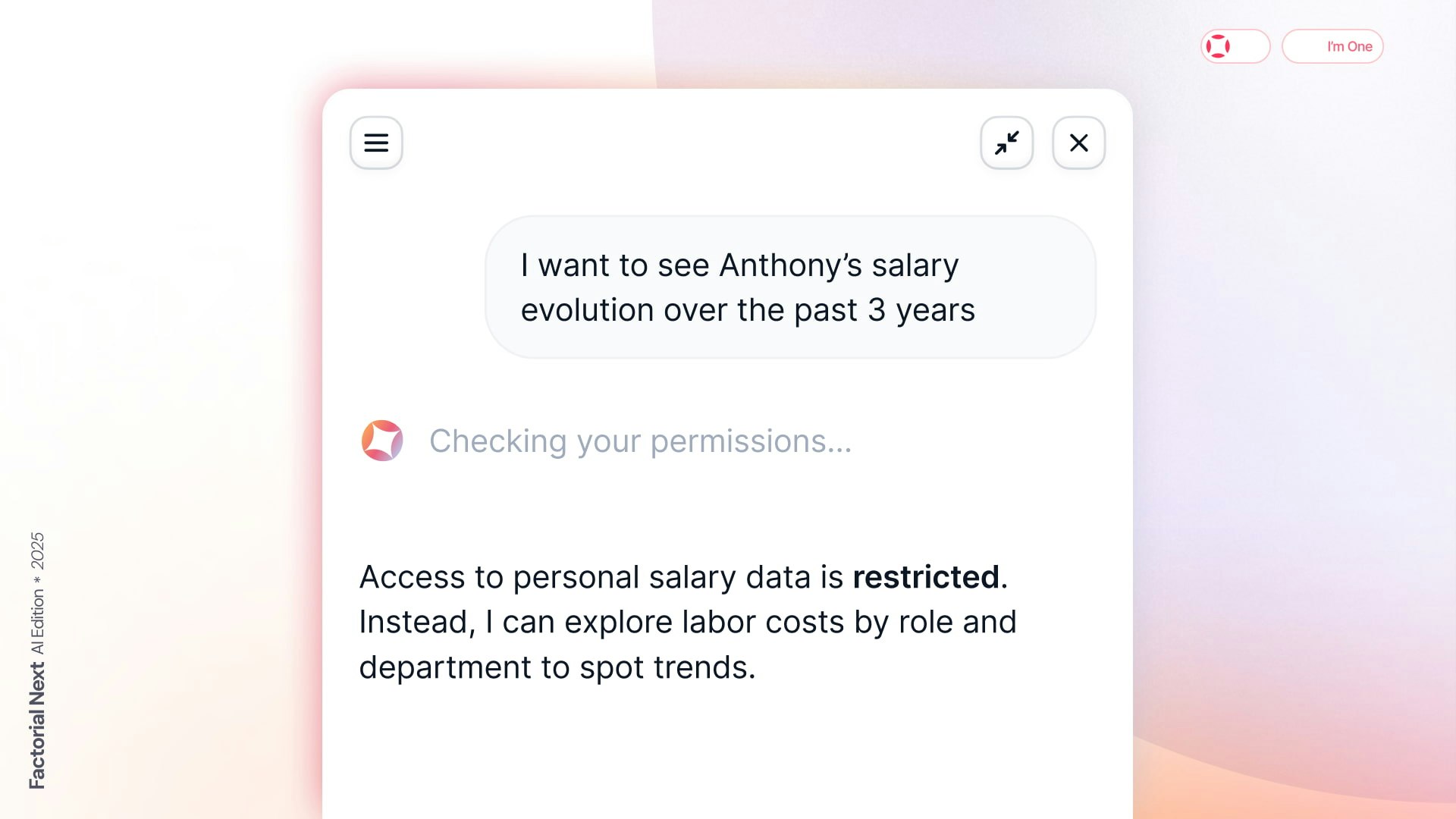
How this guide can help with your day-to-day work
The Pay Transparency Directive might seem like a purely legal issue, but it actually impacts many everyday HR decisions. This guide helps you turn a potential challenge into a clear strategic roadmap. 👉🏻 Understand the regulations without getting lost in legal jargon. 👉🏻 Identify risks before they escalate into conflicts. 👉🏻 Standardise pay scales, roles, and internal processes. 👉🏻 Improve internal consistency across your HR department. 👉🏻 Strengthen your ability to maintain ongoing compliance. 👉🏻 Adopt a strategic approach supported by modern technology.
Explore more resources on employment law, HR, and payroll management
If you are looking for ways to adapt to the Pay Transparency Directive, these resources can offer additional help with standardising your processes and streamlining your organisation’s internal management.
Frequently asked questions about the Pay Transparency Directive
The Pay Transparency Directive has raised many questions for organisations trying to understand what is changing, who it affects, and how to prepare without getting lost in legal jargon. To help, we’ve provided clear answers to the most common questions regarding the new regulations, key deadlines, and the real-world impact on HR, recruitment, compensation policy, and compliance.