HR database software helps you keep all your people information in one organised, secure place instead of scattered across several different locations like spreadsheets and folders. It brings together everything from personal details and job titles to holidays, contracts, and notes from performance reviews in a single source of truth that your team can trust.
For growing UK businesses, this kind of software is the best way to reduce administrative work. It helps cut out errors, and give HR and managers a clear view of what is happening across the workforce. In this article, we will look at what HR database software is, the main benefits, some of the best tools available, and how to choose the right option for your organisation.
What is HR database software?
HR database software is a digital system that stores and organises all your employee information in one secure place. It replaces spreadsheets, shared drives, and paper files with a single, controlled database that authorised HR staff and managers can access. Typical data includes personal details, job information, contracts, right‑to‑work documents, holiday and absence records, pay details, and performance history.
In the UK, keeping this information in a structured system is not just about convenience. The UK GDPR and the Data Protection Act 2018 require employers to handle employee data lawfully, keep it accurate and up to date, and retain it only for as long as necessary. HR database software helps you apply these rules in practice, for example by controlling who can see what, logging changes, and supporting clear data‑retention policies.
Instead of hunting through multiple files, HR and managers can find what they need in seconds. A good HR database also makes it easier to respond to subject access requests and to prove that you follow UK data protection rules if you are ever challenged.
Benefits of using HR database software
Moving to HR database software brings strong benefits for UK HR teams, managers, and employees.
- Time savings: HR teams spend less time updating spreadsheets, answering simple data requests, and chasing missing documents.
- Fewer errors: A single source of truth reduces duplicate entries, outdated records, and manual mistakes that can lead to payroll or compliance issues.
- Better compliance: A central system makes it easier to follow UK GDPR and the Data Protection Act 2018, for example by applying retention rules, managing lawful bases for processing, and keeping clear records of changes.
- Improved reporting: You can quickly pull reports on headcount, turnover, diversity, absence, and more, which supports planning and board reporting.
- Smoother employee experience: Self‑service features let employees update personal data, request leave, and access documents without emailing HR.
- Stronger data security: Centralising records makes it easier to protect them with proper access controls and security measures, as required under UK data protection law.
For growing UK businesses, HR database software also helps standardise processes across different locations and, where relevant, across different countries, while still keeping UK legal requirements front of mind.
HR database software comparison chart
Here is a quick overview of 10 popular HR database tools, what they offer, and who they suit best.
| Software | Main features (short) | Best for | Price* |
|---|---|---|---|
| Factorial | Core HR database, time off, documents, shifts, e‑signatures | Small and mid‑size UK businesses | Factorial starts at £5.40 per month per user. |
| BambooHR | Employee records, time off, basic performance, reporting | SMEs wanting a user‑friendly HR database | Pricing available upon request. |
| Personio | HR core, recruiting, time and attendance, payroll integrations | European SMEs needing HR + basic payroll links | Pricing available upon request. |
| HiBob (Bob) | People database, org charts, time off, engagement tools | Modern, scaling companies with global teams | Pricing available upon request. |
| Sage HR | Core HR, leave management, shift planning, performance | UK SMEs already familiar with Sage brand | Starts at £6 per month per user. |
| CharlieHR | Employee records, time off, onboarding, simple reviews | UK start‑ups and small businesses | Starts at £20 per month per user. |
| Ciphr HR | HR database, recruitment, learning, payroll options | Mid‑size and larger UK organisations | Quote needed |
| IRIS Cascade | HR database, payroll, time and attendance | UK firms needing HR plus strong payroll | Starts at £1.50 per month per user. |
| breatheHR | Core HR, leave, performance, document storage | Small businesses and charities | Starts at £24 per month. |
| PeopleHR | HR database, applicant tracking, time, performance | SMEs wanting HR and recruitment together | Starts at £3 per month per user. |
*Pricing is subject to change. Always check the vendor websites for prices before making a decision.
Top 10 HR database software
Now that you have an overview of the top HR database software options, we will take a look at each in more detail.
1. Factorial
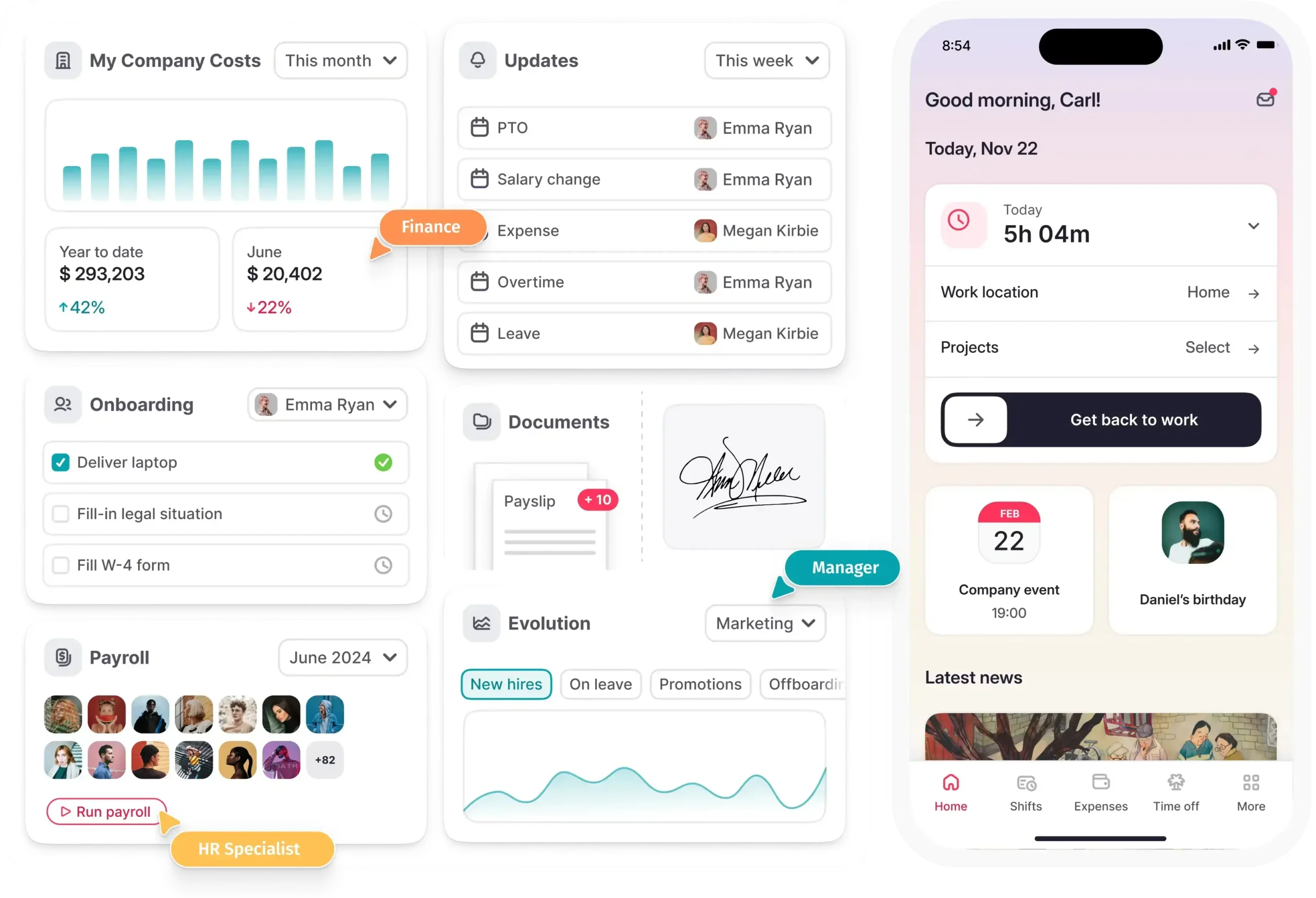
Factorial is an all‑in‑one HR and business management platform designed for small and mid‑size businesses. It gives you a central HR database with employee records, contracts, right‑to‑work documentation, and key dates, all stored securely and linked to automated workflows such as time off, shifts, performance, and digital signatures.
For UK teams, Factorial helps you standardise HR processes, reduce admin, and keep everything in one place instead of juggling spreadsheets and shared drives. Managers and employees can use self‑service to update personal details, request leave, and review documents, which frees up HR to focus on higher‑value work.
Pros:
- All‑in‑one HR database with time off, shifts, and performance features.
- Clean, modern interface that is easy for staff to learn.
- Strong fit for UK SMEs looking to replace spreadsheets and manual processes.
Cons:
- May feel like too many features for very small teams that only want basic record‑keeping.
- Not designed as a niche tool for large enterprises.
Price
Factorial starts at £5.40 per month per user.
2. BambooHR
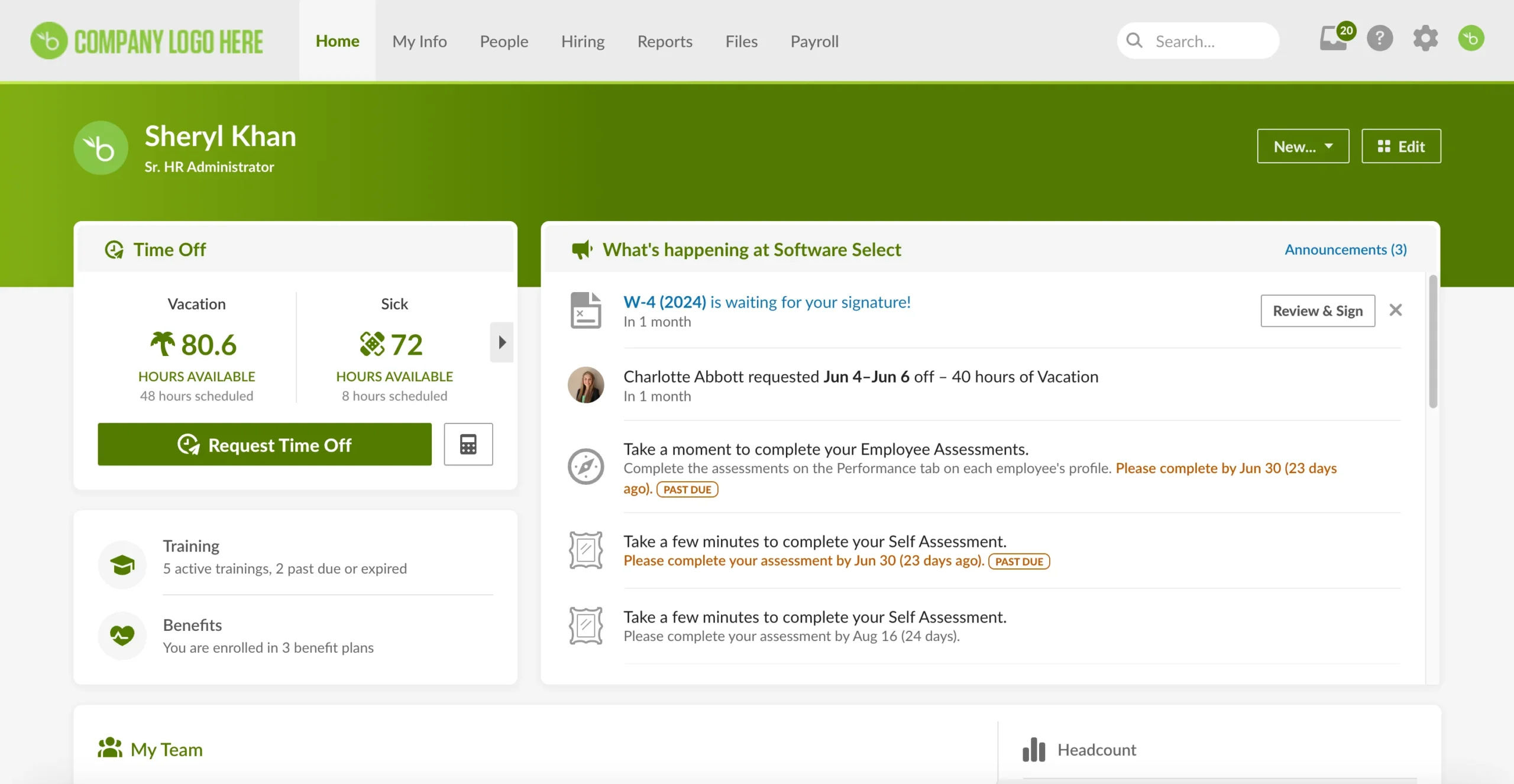
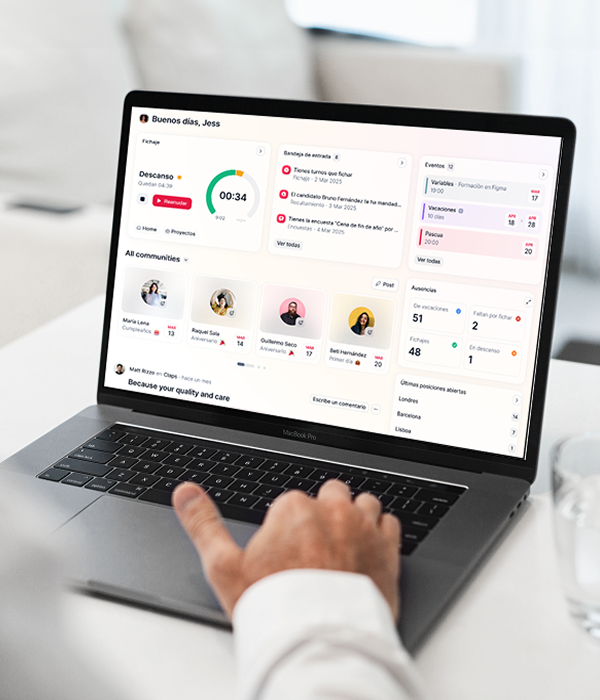
BambooHR is a popular HR database solution that focuses on simplicity and ease of use. It centralises employee records, holiday and sick leave tracking, and basic performance data in one cloud‑based system.
It works well for UK SMEs that want to move away from spreadsheets and gain better visibility over their people data. With built‑in reporting, HR teams can quickly pull headcount, turnover, and absence reports for leadership.
Pros:
- Very user‑friendly for both HR and employees.
- Strong leave management and basic performance tools.
- Good standard reporting to support decision‑making.
Cons:
- Some UK‑specific compliance features may need customisation or add‑ons.
- Advanced analytics and custom workflows are limited compared with larger suites.
Price
Ask for a custom quote to get pricing.
3. Personio
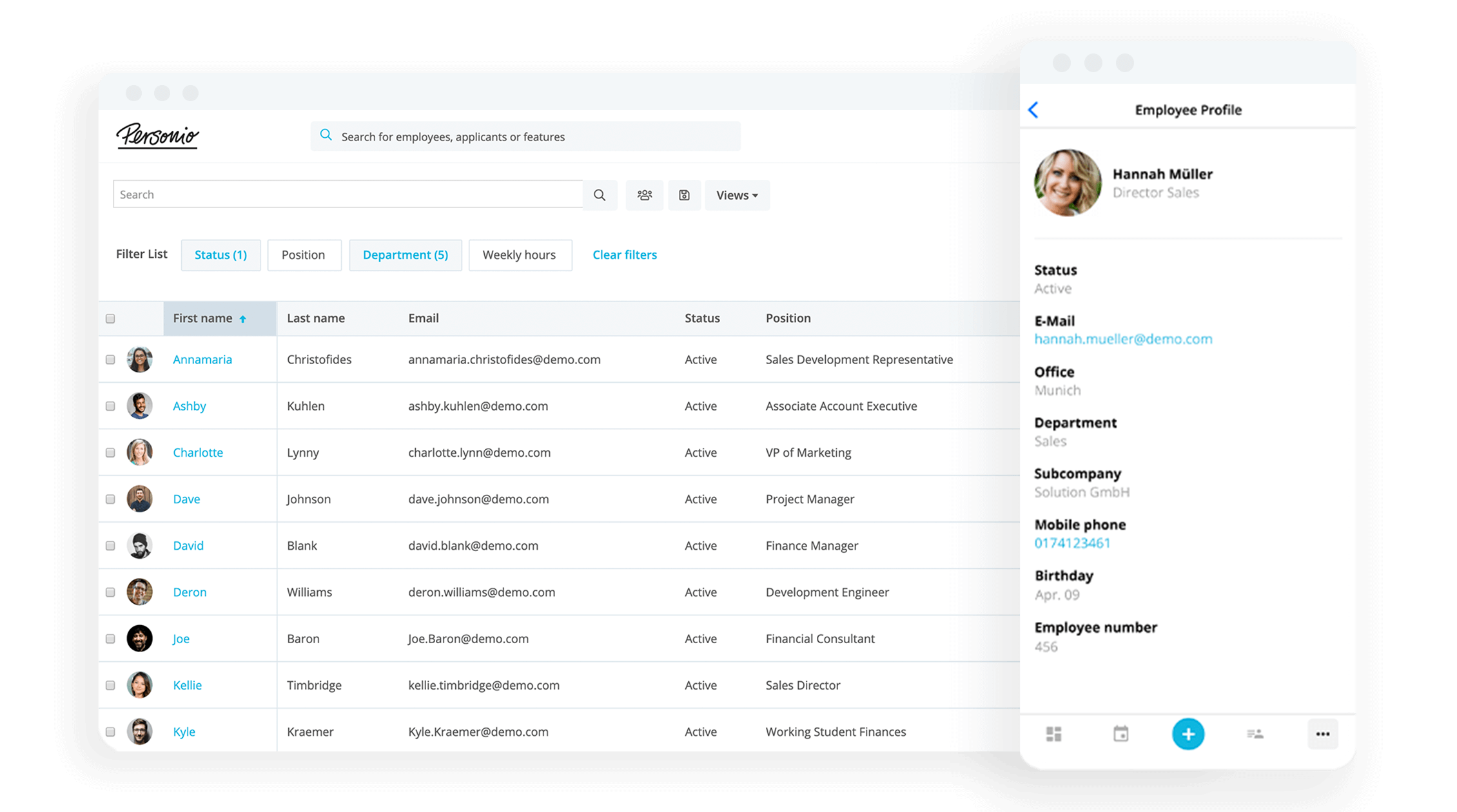
Personio is a European HR platform built for small and mid‑size organisations. It offers a central HR database for employee records and contracts, as well as modules for recruitment, time and attendance, and basic payroll integrations.
For UK businesses operating across Europe, Personio can be a strong option because it is designed with multi‑country operations in mind. It helps standardise processes while still allowing for some local flexibility.
Pros:
- Integrated HR core, recruitment, and time tracking.
- Good fit for companies with offices in multiple European countries.
- Clear workflows for hiring, onboarding, and offboarding.
Cons:
- Can feel complex for very small companies that only need a simple HR database.
- Some UK‑specific payroll and compliance needs may rely on integrations.
Price
Ask for a custom quote to get pricing.
4. HiBob
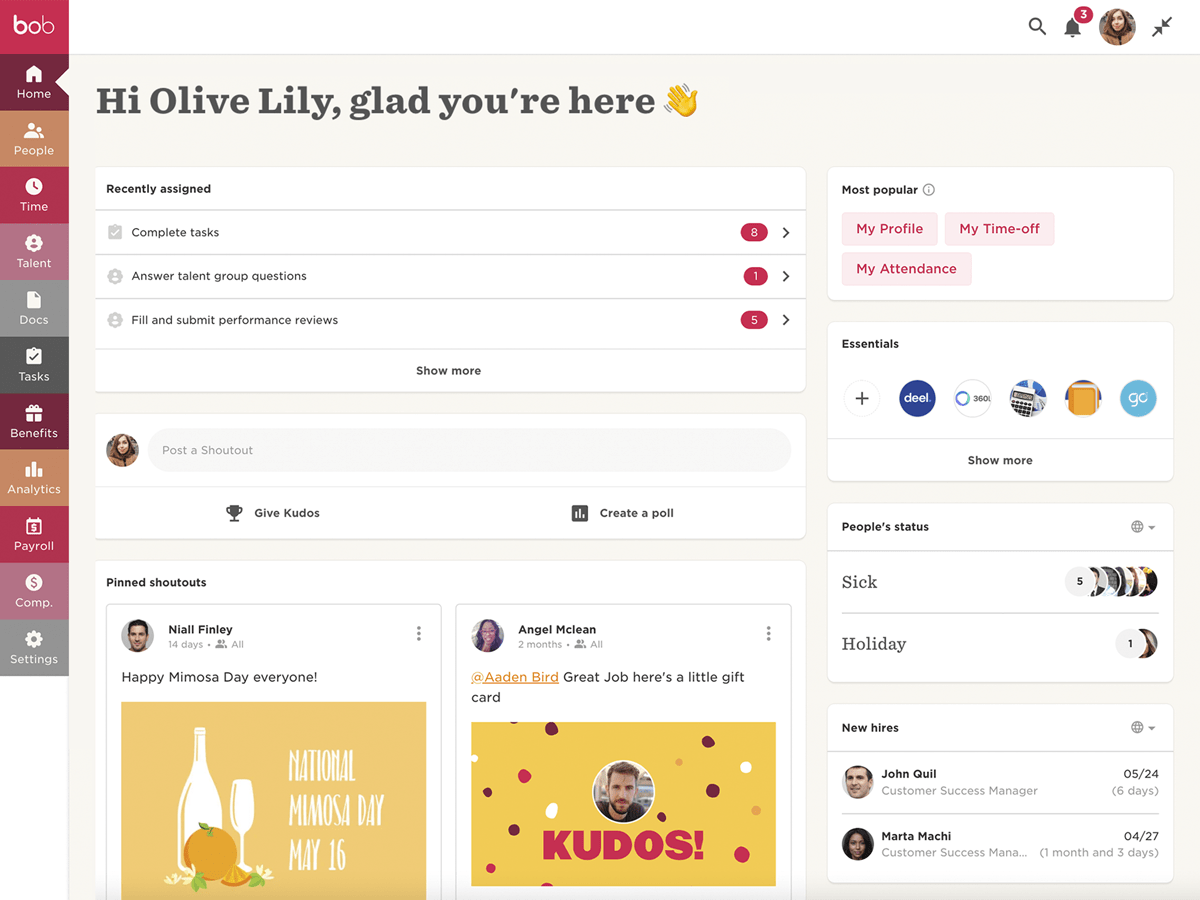
HiBob is an HR platform that combines a people database with engagement, performance, and other tools. It is aimed at fast‑growing companies with global or hybrid workforces.
You can store employee data, build interactive org charts, track holiday and absence, and manage performance and engagement in the same system. This helps HR and leaders see the full picture of their workforce in real time.
Pros:
- Attractive, modern interface and strong employee experience.
- Good tools for hybrid and international teams.
- Org charts and people analytics help leaders see structure and trends.
Cons:
- May be more than you need if you only want a basic HR database.
- Pricing and setup are more suited to scaling companies than micro‑businesses.
Price
Ask for a custom quote to get pricing.
5. Sage HR
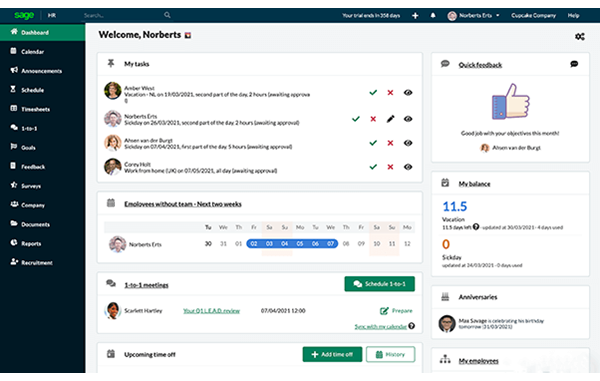
Sage HR is part of the broader line of Sage products, well known in the UK for accounting and payroll. It offers a core HR database, plus modules for leave management, shift scheduling, and performance.
For UK SMEs already using Sage for finance or payroll, Sage HR can offer a smoother connection between systems. It helps you keep all employee information in one place and automate common HR tasks.
Pros:
- Familiar brand for many UK finance and payroll teams.
- Solid core HR database with leave and scheduling tools.
- Integrates with other Sage products.
Cons:
- The interface feels less modern than some newer tools.
- Advanced engagement and analytics features are limited.
Price
Sage starts at £6 per month per user.
6. CharlieHR
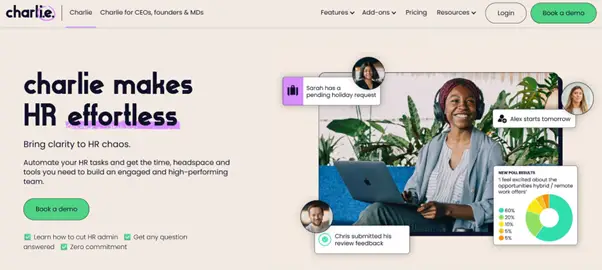
CharlieHR is built specifically for UK start‑ups and small businesses. It offers a simple HR database with employee records, holiday tracking, onboarding workflows, and light performance tools.
Its main strength is simplicity. Smaller teams can set it up quickly, invite employees, and move away from spreadsheets without a heavy implementation project.
Pros:
- Very simple and friendly interface for small teams.
- Built for UK SMEs, with a clear focus on start‑ups.
- Helpful onboarding flows for new hires.
Cons:
- Not designed for larger or more complex organisations.
- Fewer advanced integration and analytics options.
Price
Charlie starts at £20 per month per user.
7. Ciphr HR
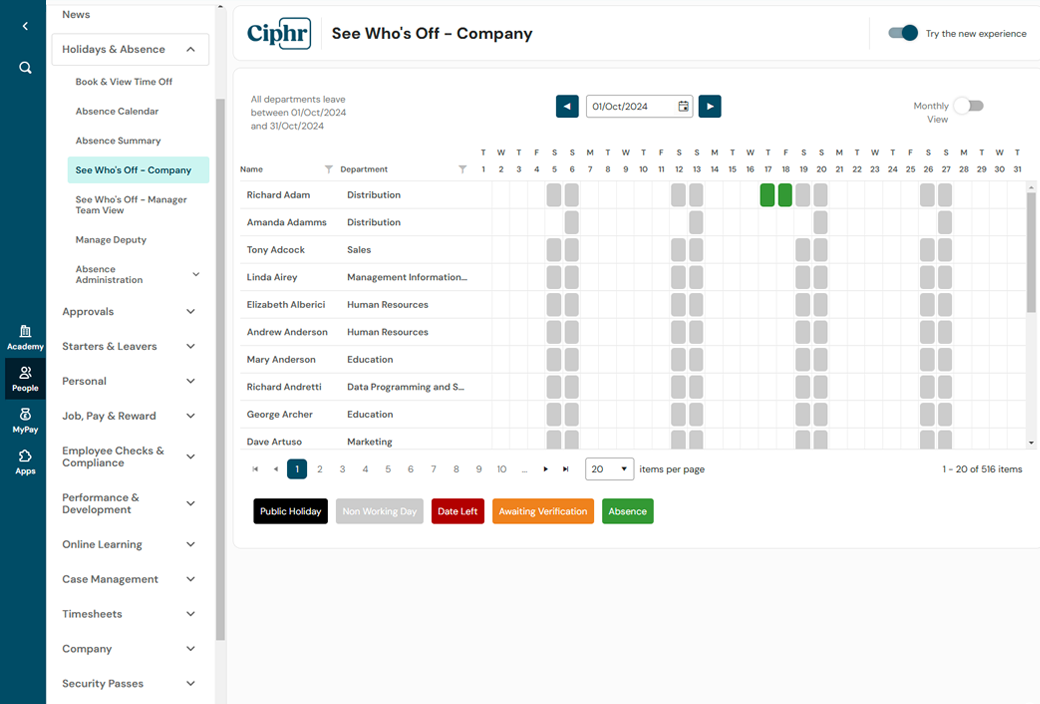
Ciphr is a UK‑based HR software provider aimed at mid‑size and larger organisations. Its HR database sits at the centre of a suite that can include recruitment, learning, and payroll.
It is more enterprise‑style than many SME‑focused tools, with deeper configuration options and more complex workflows. This can be a benefit for larger organisations that need more control over processes.
Pros:
- UK‑focused vendor with strong understanding of local requirements.
- Wide range of modules around the core HR database.
- Flexible configuration for complex organisations.
Cons:
- Implementation can be longer and more involved.
- Overkill for smaller companies with simpler needs.
Price
Ask for a custom quote to get pricing.
8. IRIS Cascade
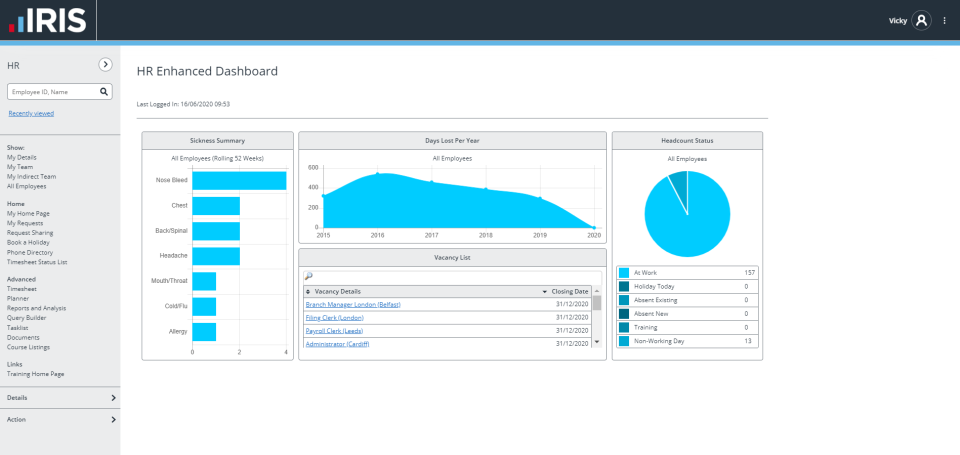
IRIS Cascade is part of a major UK provider of payroll and accounting solutions, called the IRIS Software Group. Cascade integrates an HR database with payroll, time and attendance, and other workforce management tools.
For organisations that already use IRIS products, Cascade can help create a tighter link between HR data and payroll. This reduces duplicate data entry and supports better accuracy.
Pros:
- Strong payroll and HR links for UK organisations.
- Comprehensive suite for HR and payroll teams.
- UK vendor with local support.
Cons:
- Interface and user experience can feel more traditional.
- Best suited to organisations with established HR and payroll teams.
Price
IRIS starts at £1.50 per employee per month.
9. breatheHR
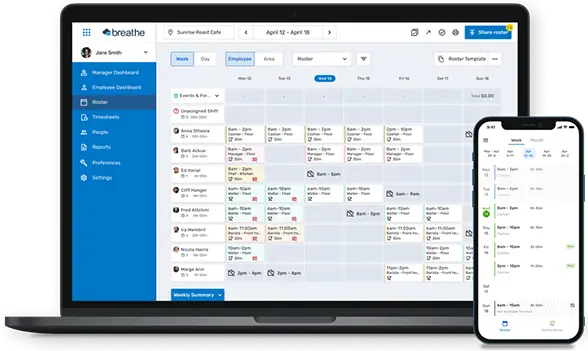
BreatheHR is a simple, cloud‑based HR system built for small businesses and charities. It offers a central HR database with employee records, holiday and absence management, performance reviews, and document storage.
Its focus is on making HR feel less stressful for small organisations that do not have a large HR team. Employees can self‑serve for basic tasks, which cuts down on back‑and‑forth emails.
Pros:
- Very easy to set up and manage for small organisations.
- Clear, simple interface that non‑HR users can understand.
- Suitable for charities and non‑profits with limited resources.
Cons:
- Not designed for larger businesses.
- Fewer advanced reporting and integration options.
Price
BreatheHR starts at £24 per month.
10. PeopleHR
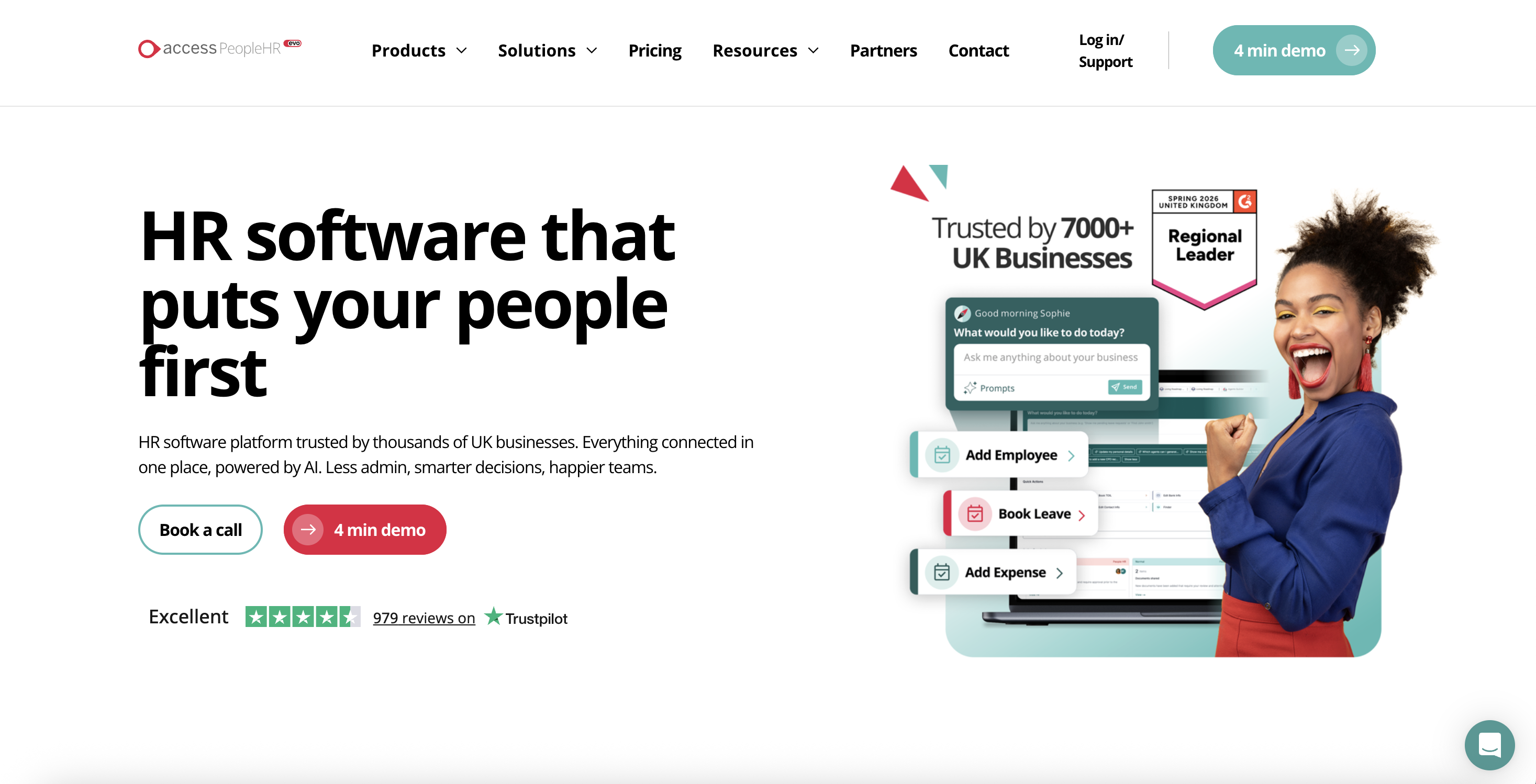
PeopleHR is a cloud‑based HR system that brings together a core people database with applicant tracking, time and attendance, and basic performance features. It is aimed mainly at UK SMEs.
You can store all employee information in one place, manage holiday and absences, and track candidates through the hiring process. For small HR teams, this helps reduce the number of separate tools they need to manage.
Pros:
- Combines HR database and recruitment for SMEs.
- Straightforward interface and workflows.
- Useful reporting for key HR metrics.
Cons:
- Less suited to very large or highly complex organisations.
- Some newer tools offer a more modern interface.
Price
PeopleHR starts at £3 per employee per month.
How to choose HR database software
Choosing the right HR database software starts with being clear on what you need and how your organisation works, rather than chasing the longest feature list.
1. Define your goals
Ask yourself:
- Are we trying to replace spreadsheets and paper files?
- Do we need better reporting for leadership or investors?
- Are we struggling with compliance, right‑to‑work checks, or GDPR requests?
Write down your top two or three problems. This will guide which tools make your shortlist.
2. Identify must‑have features
For most UK organisations, important features include:
- A secure central database with clear access controls
- Self‑service for employees to update basic information
- Holiday and absence management
- Document storage and e‑signatures for contracts and policies
- Basic reporting on headcount, turnover, and absence
You might also want recruitment, performance management, or time and attendance in the same system.
3. Check ease of use and support
The system needs to work for HR, managers, and employees.
Look for:
- A simple, modern interface
- Mobile access for staff on the go
- Clear support options, including onboarding and training
- UK‑based or UK‑aware support teams who understand local needs
If the tool looks complicated in a demo, it will feel even harder in daily use.
4. Consider integrations and scalability
Think about how the HR database will fit with your other tools:
- Does it integrate with your payroll and accounting system?
- Can it connect to your identity or single sign‑on solution?
- Will it still fit your needs in two or three years as you grow?
Choosing a system that can grow with you will save you from another migration later.
5. Compare pricing and get a demo
Once you have a shortlist:
- Compare pricing models (per employee, per module, or flat fee).
- Check what is included in each tier and what costs extra.
- Ask each vendor for a trial version or demo with one or two teams.
Use the trial to gather feedback from HR, managers, and employees, and to test reporting and integrations in real life.
Why choose Factorial for UK HR teams
There are many HR database tools available in the UK, but Factorial is a particularly strong option for small and mid‑size organisations that want an all‑in‑one, modern platform. Instead of running HR data, holidays, contracts, and performance in separate tools, Factorial brings them together in one system that is easy to use and quick to roll out.
With Factorial, you can:
- Centralise all employee records and documents in a secure HR database
- Manage holidays, sickness, and shifts with clear, fair rules
- Use self‑service so employees and managers can handle simple tasks themselves
- Track performance and keep a history of reviews and objectives
This combination helps UK HR teams reduce admin, improve accuracy, and build a better experience for employees.
If you would like to see how Factorial could work for your organisation, the next step is simple: book a demo with Factorial to explore the platform, ask questions about your specific set‑up, and get a tailored view of how HR database software can support your growth.
Disclaimer: The information presented on this page is based on publicly available sources. The comparisons between Factorial and other providers are intended solely for the illustration of the respective software features, pricing and functionalities. All information regarding features, prices, and integrations may be subject to change without prior notice. Factorial assumes no liability for the accuracy, completeness, or timeliness of the information presented. We recommend contacting the respective providers directly to obtain the most accurate and up-to-date information. All legal regulations regarding Spanish fair advertising and competition law are fully observed by us; if you have any concerns, please reach out to us. The comparisons presented do not constitute a final evaluation or recommendation for any provider, but serve solely as an informational source.