Regular one-to-one meetings are one of the most practical tools managers have. When they are consistent and focused, employees know what is expected of them and where they stand. They also have a clear space to raise concerns and discuss development.
Yet in many organisations across the UK and Ireland, 1:1s are irregular or rushed. Notes are scattered across notebooks and documents. Follow-up actions are not always tracked. Over time, this weakens the value of the meeting itself.
This is where one-on-one meeting software becomes useful.
One-on-one meeting software, also called one to one meeting software, helps managers plan, run, and document 1:1 conversations with their team members. Instead of relying on memory or manual admin, the software provides structure and a shared record of what was discussed.

What is one-to-one meeting software?
One-to-one meeting software is a digital tool designed to support conversations between managers and employees.
A 1:1 meeting is a dedicated discussion to review progress, talk through challenges, and plan next steps. It is not a status report. It is a structured space where both sides can speak openly about priorities, workload, development, and support.
The software helps by:
- Scheduling recurring meetings
- Creating shared agendas
- Storing notes in one central location
- Tracking agreed actions
- Showing progress over time
Instead of using separate tools or private documents, everything is accessible in one system, creating one source of truth.
Some platforms, such as Factorial, add AI features. These tools can help managers prepare before the meeting, capture key points during the discussion, and summarise outcomes afterwards. They may also suggest follow-up topics based on previous conversations.
For managers handling hybrid or remote teams, this added structure reduces admin time and improves consistency.
Why One-to-one meetings matter
One-to-one meetings have a measurable link to engagement and performance.
Research from Gallup shows that employees who receive regular, meaningful feedback are more engaged at work. Higher engagement is linked to stronger performance and lower turnover.
When managers meet employees consistently and discuss goals clearly, several things happen. Expectations become clear. Problems are identified earlier. Employees are more likely to feel that their work is recognised.
For employers across the country, achieving lower turnover should be top priority. Recruitment is expensive. Training takes time. And when employees leave because they feel overlooked or unsupported, the cost goes beyond salary.
Regular 1:1 meetings provide a structured way to:
- Review objectives
- Discuss progress
- Offer coaching
- Identify development needs
- Talk about workload and wellbeing
However, without a clear system, meetings can lose focus. Notes may be scattered across different places. Agreed actions may not be reviewed next time. Meetings may not be scheduled consistently.
One-on-one meeting software helps prevent this drift by introducing structure and accountability.
Benefits of one-to-one meeting software
Using dedicated one-to-one meeting software turns informal catch-ups into a consistent management process.
Based on common challenges in UK and Ireland workplaces, you’ll find below the main benefits:
Centralised one-to-one meeting notes
Disorganised notes are a frequent problem.
Managers often keep information in personal notebooks or separate documents. When performance appraisal period comes around, it can be difficult to remember what was discussed months earlier.
One-on-one meeting software stores all 1:1 notes in one secure location. Both manager and employee can see previous conversations, agreed actions, and development goals. This creates a clear record of progress over time.
Some platforms go further. Factorial AI offers AI-powered 1:1 meetings that help capture key points and summarise discussions. The system highlights important themes and suggests follow-up areas, reducing manual admin work.
This is particularly useful during performance appraisals, where historical context matters.
Consistent scheduling and follow-up
Another common issue with 1:1 meetings is inconsistency.
Managers may intend to hold weekly or monthly meetings, but urgent work gets in the way. Over time, sessions are cancelled or postponed. When this happens again and again, employees may feel that their development is not a priority.
On-to-one meeting software helps avoid this by allowing managers to set recurring meetings in advance. Weekly, bi-weekly, or monthly sessions can be scheduled once and automatically added to calendars. This reduces the chance of forgetting or delaying them.
Many platforms also allow reminders and notifications. If an action point was agreed in the previous meeting, the system can prompt both parties to review it next time. This keeps conversations focused and makes follow-up part of the process, not an afterthought.
For HR teams, consistent scheduling also provides visibility. They can see whether managers are holding regular 1:1s across departments, which supports a stronger performance culture.
Clear action tracking and accountability
Without a clear record of what was agreed, check-ins can feel repetitive. The same issues are discussed again and again because no one is tracking outcomes.
One-on-one meeting software allows managers and employees to log specific action items during the meeting. These actions are linked to the employee’s profile and remain visible in future sessions.
This creates accountability on both sides. If a manager committed to providing training resources, that commitment is recorded. If an employee agreed to complete a project milestone, it can be reviewed in the next meeting.
Over time, this builds a transparent record of performance and development. It also reduces misunderstandings. Instead of relying on memory, both parties can refer to what was written.
For organisations that use performance management software more broadly, this integration is important. 1:1 meeting notes can feed into performance reviews, objective tracking, and promotion decisions.
Personalised support for development
Every employee has different strengths, goals, and challenges. Generic conversations rarely support long-term growth.
One to one meeting software makes personalisation easier by storing insights from previous meetings. Managers can quickly see:
- Skills that need improvement
- Career ambitions that were discussed
- Feedback themes over time
- Progress against objectives
Some platforms also connect 1:1 data with learning and development tools. If a skill gap is identified, the system may suggest relevant training courses or development actions.
AI-driven systems take this further. For example, Factorial positions its 1:1 meetings as AI-native. The platform helps managers prepare by surfacing past discussion points and highlighting patterns. It can suggest areas to focus on in the next meeting based on previous conversations.
This level of insight is difficult to achieve with manual notes alone. More structured conversations around development can improve internal mobility in a company and reduce the need for external hiring.
Top one-to-one meetings software in 2026
There are many tools on the market, but not all are designed specifically for structured 1:1 conversations. Below are some of the leading one-on-one meeting software platforms in 2026.
1. Factorial
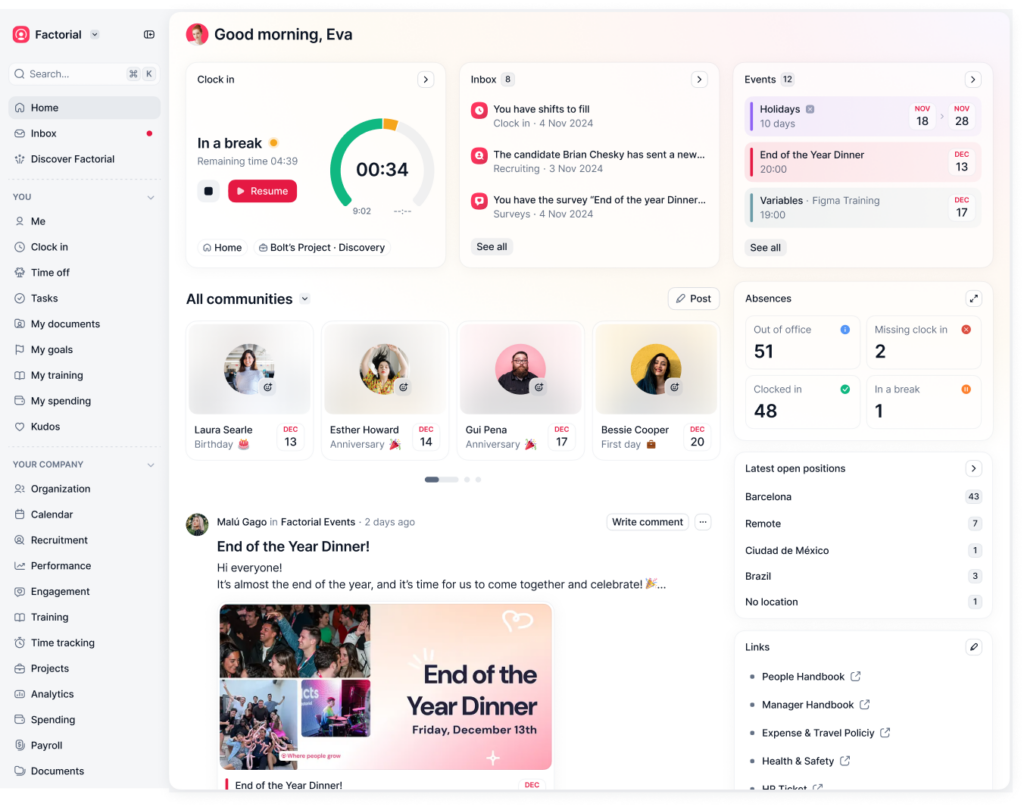
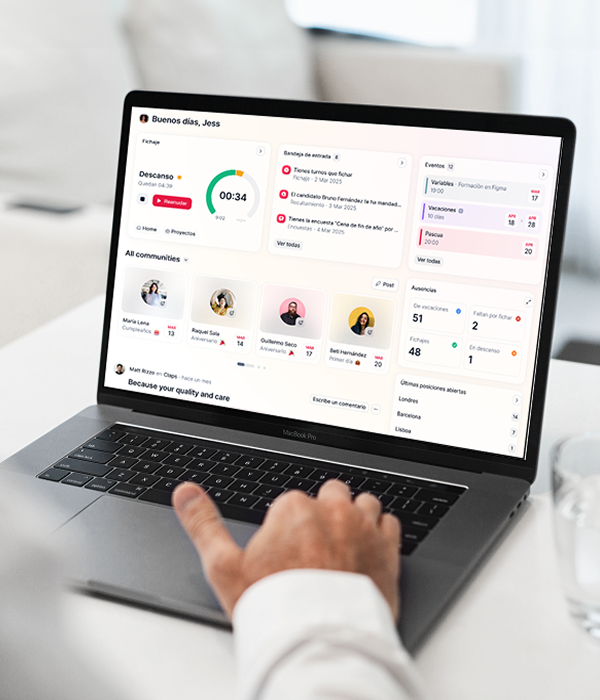
Factorial is an all-in-one business and performance management platform that includes AI-powered one-to-one meeting features.
With this platform managers can:
- Create a new 1:1 meeting from the dashboard
- Select the employee, date and time
- Set the meeting to repeat automatically
Recurring 1:1s are easy to schedule, reducing time spent on admin and missed meetings.
Factorial’s one-to-one meetings are AI-native. The system helps managers prepare, captures key discussion points and highlights what matters most afterwards. AI tracks conversation history, suggests focus areas for future meetings and reduces manual note taking.
The platform also links 1:1 meetings with broader performance management tools. Notes and insights from meetings can feed into performance reviews, objectives and employee engagement tracking.
Factorial reports that over 1.1 million meetings are now powered by AI through its system, showing how widely companies are adopting its AI features.
Best for: Employers that want a performance management and HR platform focused on structured one-to-one meetings supported by AI as part of a wide range of business management tools.
Pros:
- AI-powered meeting insights
- Easy recurring scheduling
- Integrated with performance management tools
- Centralised employee data and notes
Cons:
- Might offer more features than very small teams need
- Some advanced features require active setup
Pricing:
Starts at £5.40 per user, per month.
2. Lattice
Lattice is a well-established performance and people management platform used by many HR teams around the world. It goes beyond one-to-one meetings to cover broader performance reviews, goal setting, feedback, and manager tools. Its 1:1 feature helps managers run structured meetings with shared agendas and clear action items, all within the wider performance context.
Best for: Organisations that want a full performance management suite that includes one-to-one meetings alongside reviews, goals and feedback.
Pros:
- Includes structured 1:1 meeting tools as part of broader performance management.
- Strong tools for feedback, goal alignment and reviews.
- Well-regarded in market with solid support and resources.
Cons:
- Pricing can be higher than simpler tools, especially once modules are added.
- Some organisations report a learning curve with the many features.
Pricing:
From around $10–$11 per user per month billed annually for core performance and one-to-one meeting features.
3. Leapsome
Leapsome is a people platform that combines performance management, engagement, feedback, goal tracking and meetings into one place. Its 1:1 meeting functionality allows managers to create collaborative agendas, record meeting notes, link discussion items to goals, and track follow-ups over time. It also supports broader HR processes like surveys and learning content.
Best for: Growing teams that want performance reviews, employee development and one-to-one meetings in one solution.
Pros:
- Built-in meeting agendas and AI meeting assistant to capture notes and action items.
- Integrates meetings with goals, feedback and engagement data.
- Flexible modular approach lets organisations choose the features they need.
Cons:
- Pricing and feature bundles vary, so small teams should check costs carefully.
- Initial setup for review cycles and templates can take time.
Pricing:
Approximately €7–€10 per user per month, depending on selected modules and billing terms.
4. Success.co
Success.co focuses on engagement, performance management and continuous feedback. It includes structured one-to-one meeting support within its performance tools. Managers can plan check-ins, add talking points and track outcomes. It also charts progress over time so trends in performance discussions are visible. Success.co appeals to organisations that want regular feedback and engagement combined with performance goals.
Best for: Organisations seeking a balanced performance and engagement platform with built-in 1:1 support.
Pros:
- Encourages regular feedback and conversations.
- Helps link meetings to broader performance goals.
- Provides simple overview of check-ins over time.
Cons:
- Not as feature-rich on meeting agendas or AI tools as some competitors.
- Pricing can vary based on team size and modules chosen.
Pricing:
Contact vendor for exact pricing as it varies by user count and selected features.
5. OneNote
OneNote is not dedicated one-to-one meeting software, but many managers use it to record meeting notes and agendas because of its flexibility. Teams can create shared notebooks, embed templates and keep all discussion points in one place. However, it does not include automated scheduling, action tracking or performance follow-up tools natively.
Best for: Teams that want a simple, low-cost way to organise meeting notes without specialised software.
Pros:
- Familiar tool for many users.
- Easy to structure notes and share with others.
- Included with many Microsoft 365 subscriptions.
Cons:
- Does not automate scheduling or reminders.
- No built-in action tracking or analytics.
- Not designed for performance management workflows.
Pricing:
Typically included with Microsoft 365 subscriptions, costing from around standard Microsoft 365 business plans.
One-to-one software comparison chart
Below is a comparison chart showing the main one-on-one meeting software options discussed above. Pricing is shown as a starting point and it may vary depending on features, billing terms and company size.
| Platform | Best for | Key highlight | Starting price |
|---|---|---|---|
| Factorial | UK and Ireland employers wanting an AI-first HR and performance platform | AI-native 1:1 meetings connected to performance management | £5.40 per user per month |
| Lattice | Organisations seeking a full performance management suite | Structured 1:1s integrated with reviews and goals | Around $11 per user per month (annual billing) |
| Leapsome | Growing teams wanting flexible performance and engagement tools | Meeting agendas linked to goals and feedback | Around €7–€10 per user per month |
| SuccessCO | Businesses focused on continuous feedback and engagement | Regular check-ins tied to performance goals | Custom pricing |
| Microsoft OneNote | Teams wanting a simple note-taking tool | Flexible shared notebooks for meeting notes | Included in Microsoft 365 plans |
When comparing platforms, here are a few questions to consider:
- Is the tool is designed specifically for structured 1:1 meetings?
- How well does it connect with my performance management processes?
- Automation? AI? Support?
- Ease of use for managers and employees?
- Overall cost as the organisation grows?
A basic note-taking tool may be a working solution for small teams. However, as companies scale, processes often become harder to manage manually.
Choose the leading one-to-one meeting software
The right one-on-one meeting software depends on what your organisation needs.
If you only want a place to write and store notes, a basic tool such as OneNote may be enough. If you want structured agendas and links to reviews and goals, platforms like Lattice or Leapsome offer wider performance features. For many teams, Factorial offers a more complete solution.
Its 1:1 meetings are part of a wider HR and performance management system. Notes from meetings connect directly to performance reviews, objectives and employee records. This keeps everything in one place and reduces admin. Factorial is also created with AI at its core. Its 1:1 meetings help managers prepare, capture key discussion points and highlight what to focus on next time. This makes meetings more structured without adding extra work.
Regular, well-run 1:1 meetings improve communication among team members, support development and strengthen performance. The right software makes it easier to stay organised and consistent.
👉 For employers in 2026 seeking a practical, AI-supported approach to performance management, Factorial is a great choice. Request a demo to see the software in action and ask any questions you may have!
One-to-one meetings software FAQs
How to run 1:1 meetings?
Set a clear agenda, listen to the employee, review goals, and agree on action points. Using Factorial helps you schedule meetings, store notes, and track follow-ups in one place.
What is the 40-20-40 rule for meetings?
It means 40 percent of success comes from preparation, 20 percent from the meeting itself, and 40 percent from follow-up. Factorial supports all three by helping managers prepare, record notes, and track actions.
What is the best tool for scheduling meetings?
Basic calendar tools work for simple scheduling. For recurring 1:1s with notes and action tracking, Factorial is more complete.
Which platform is best for meetings?
For structured one-to-one meetings linked to performance management, Factorial is a strong option with built-in AI support.
“Disclaimer: The information presented on this page is based on publicly available sources. The comparisons between Factorial and other providers are intended solely for the illustration of the respective software features, pricing and functionalities. All information regarding features, prices, and integrations may be subject to change without prior notice. Factorial assumes no liability for the accuracy, completeness, or timeliness of the information presented. We recommend contacting the respective providers directly to obtain the most accurate and up-to-date information. All legal regulations regarding Spanish fair advertising and competition law are fully observed by us; if you have any concerns, please reach out to us. The comparisons presented do not constitute a final evaluation or recommendation for any provider, but serve solely as an informational source.”