Employment contracts come in all shapes and sizes, such as zero-hours contracts, flexible working arrangements, or temporary employees. But one type of employment contract that’s highly popular is an annualised hours contract. This involves distributing agreed-upon annual working hours unevenly across the year. It allows for adjustments based on workload fluctuations, typically offered by companies that experience seasonal demand or project-based work.
In this article, we’ll explain annualised hours contracts, how they work, and how to know if they’re a good fit for your organisation.

What are Annualised Hours?
Annualised hours refer to a flexible type of employment contract where an employee’s working hours are calculated annually rather than weekly or monthly. Essentially, instead of adhering to a fixed weekly schedule, employees agree to work a certain number of core hours over the course of a year, with the distribution of those hours varying throughout different periods.
The striking feature of annualised hours contracts is that they adapt working hours to accommodate fluctuations in demand, workload, or seasonal variations. The agreement typically outlines the total number of hours the employee is expected to work over the year, but the specific schedule may vary from week to week or month to month. But for employers, this may be the dream scenario, as they can better match workforce availability with business needs.
In practice, during busier periods, employees might work more hours, while during quieter times, they may work fewer hours, which is particularly beneficial for industries or companies with cyclical patterns of demand or project-based work. It provides a level of adaptability for employers to manage resources efficiently and for employees to maintain a work-life balance.
What is an Annualised Salary?
An annualised salary, or annualised pay, refers to the total amount of money an employee earns over the course of a year. This form of compensation is often used for salaried positions where employees receive a fixed amount of pay regardless of the actual number of hours worked each week or month. The annualised salary is calculated by multiplying the employee’s monthly or weekly salary by the number of pay periods in a year. So, while annualised hours focus on the variable aspect of working time, annualised salary focuses on the fixed aspect of compensation.
Sometimes, an annualised salary may be combined with an annualised hours arrangement. For example, an employee on an annualised salary might have the flexibility to work varying hours each week based on business needs, with the assurance of a consistent salary at the end of the year.
Annualised Hours Vs. Salary Comparison Chart
If you are looking to understand the difference between annualised hours and a salary approach, our quick-glance table can help you get a grip on the basics:
| Annualised Hours | Salary | |
| Flexibility of Hours | Offers flexibility; total hours are fixed but weekly hours can vary | Limited or no flexibility as employees typically work the same number of hours each week |
| Predictable Pay | Annual pay is predictable; weekly pay may vary depending on the policy | Pay is predictable; pay and hours are consistent |
| Employee Work-life Balance | Supports better work-life balance through flexibility, although peak periods can create challenges | Fixed hours can provide a stable routine but limit the flexibility to work hours that support work-life balance |
| Compensation Fluctuations | Greater chance of variation in compensation across the year, depending on the contract | Minimal fluctuations in compensation across the year |
| Response to Demand | Highly responsive: hours can change depending on the workload | Less responsive: can be challenging to manage periods of peak demand |
Benefits of Annualised Hours
There are several benefits to annualised salaries, especially in sectors such as retail, hospitality and agriculture, where there are huge variations in demand throughout the year:
- Flexibility and Alignment
Employers can match staffing levels to their business’s demands, increasing hours during busy periods and reducing them during quieter ones, without changing contracts. On the other hand, employees may benefit from using time during quieter periods to meet demands in their private lives, such as childcare or caring for elderly relatives.
- Predictable Pay
Pay is confirmed throughout the year, allowing employees to plan their finances even when their weekly hours fluctuate. Predictable salary costs also help businesses to budget and forecast.
- Reduced Overtime Costs
Using annualised hours allows businesses to build the peaks and troughs in demand (and the associated employee costs) into their financial plans for the year. Doing so can help to avoid costly overtime expenses during peak periods.
- Workforce Planning
Annualised salaries allow companies to be clear about who they are employing and how, throughout the year, which supports managers in scheduling their teams more efficiently.
- Support for Work-Life Balance
Employees in roles with intense work periods, such as retail, education and health services, may appreciate the chance to have quieter periods to spend more time on their personal lives.
- Employee Retention
Annualised hours allow organisations to offer contracts that pay employees year-round despite seasonal fluctuations in workload. Instead of temporary or seasonal contracts, employees can have stable, secure contracts which makes them more likely to stay with the organisation and be more productive.

How Annualised Hours Improve Employee Well-being
Annualised hours can improve employee well-being by providing a stable income throughout the year and clear expectations about the required working hours. By receiving a consistent salary, employees can reduce financial stress even when their hours fluctuate. The combination of income security and clarity of expectations allows employees to feel more control over their schedules and their lives and to make plans accordingly.
Using business management software like Factorial can support employee wellbeing by helping teams track hours, monitor absences and maintain records. The system supports better communication, easy access to contracts and policies, and automatic payroll management, helping employees feel informed, supported, and confident that their well-being is a priority.
What is an Annualised Contract?
An annualised contract is an employment agreement that outlines terms and conditions where an employee’s working hours, pay, and other employment-related factors are calculated annually. This type of contract flexibly distributes working hours across different periods within the year, allowing for variations in workload or seasonal demands. An annualised contract often provides adaptability for both employers and employees in managing work schedules and ensuring that compensation aligns with the actual time worked.
How do you Calculate Annual Hours?
Calculating annualised hours involves determining the total number of hours an employee is expected to work over the course of a year while allowing for flexibility in how those hours are distributed across different periods. Once you’ve got the numbers down, divide the total annual hours by the number of distribution periods in a year.
For example, in the UK, the average annual hours worked in 2022 was 1522. Say the distribution is monthly. Then, the regular hours per month would be 126.83 hours.
If the employee works more hours than the regular agreed-upon annual hours, determine how overtime is handled, whether it’s through additional pay, time off in lieu, or other arrangements specified in the employment contract.
Pros and Cons of an Annualised Hours Contract
Annualised hours contracts offer employers a valuable tool for adapting to fluctuating workloads and seasonal demands, which is a great way to efficiently manage staffing levels based on the ebb and flow of their operational needs, reducing the need for excessive overtime or the costs associated with hiring additional staff during peak periods. These contracts also give employees the freedom to allocate their time more flexibly, accommodating personal commitments or lifestyle preferences.
However, annualised hours contracts come with their share of challenges. The variability in working hours may result in employee income fluctuations, introducing budgeting and financial management complexities. Employees may face the risk of overwork during busy periods, potentially leading to burnout or strained personal lives. The calculation of pay under such contracts can also be intricate, posing administrative challenges for employers, and effective communication becomes paramount to ensure both parties are aligned on expectations.
As with many HR decisions, introducing annualised hours requires heavy thinking.
Legal Considerations of Annualised Hours
While annualised hours contracts offer employers flexibility in terms of how they contract and pay employees, they come with significant legal obligations.
- Working Time Regulations 1998: annualised hours contracts must comply with this legislation, specifically the requirement that employees cannot work more than 48 hours per week (averaged over 17 weeks) and that they have appropriate breaks and rest periods. Employers must carefully track hours to avoid violating this regulation.
- Minimum Wage: employers must ensure that their employees’ wages do not drop below the requirements set out in minimum wage legislation.
- Calculation of hours: contracts must specify total annual hours, core (guaranteed) and flexible hours, the pay structure and rules for overtime.
- Changes to schedules: a reasonable notice period (usually 7 to 14 days) must be provided before changing an employee’s schedule.
- Holiday entitlement: employers must support the statutory minimum holiday requirements and have a legal obligation to avoid creating barriers to employees taking leave.
- Changes to the contract: these must be mutually agreed upon between both parties before significant changes, such as introducing an annualised hours contract, are implemented.
- Record keeping: employers must retain accurate records of the hours worked, breaks taken, opt-outs from the 48-hour week and night shifts.
- Equality: employers must ensure scheduling is fair and that hours are allocated consistently, so that no group or individual is disadvantaged by an annualised hours contract. These contracts can pose a particular risk in terms of discrimination to part-time and disabled employees, and those with caring responsibilities.
- Health and safety: employers must ensure that workloads during peak periods do not lead to undue stress or fatigue, which can pose a health and safety risk. Risk assessments must be adjusted for fluctuating workloads.
How do you Calculate Annualised Hours Holiday Entitlement & Pay?
Calculating annualised hours holiday entitlement and pay involves a pro-rata approach, considering the flexible nature of these contracts. Begin by determining the statutory minimum holiday entitlement per year based on the UK’s labour laws. Adjust this entitlement for part-time or full-time status, and then calculate a pro-rata entitlement based on the percentage of full-time hours worked.
For example, if an employee works 80% of full-time hours, their holiday entitlement would be 80% of the standard minimum.
When determining holiday pay, establish a calculation method based on factors such as average weekly earnings or a designated reference period, and consider any overtime or additional payments regularly received by the employee.
How to Create an Annualised Hours Policy
If you or your organisation are considering introducing annualised hours for your workforce, there are a few key steps that you should take before the go-ahead. Here are a few key things to keep in mind when pursuing this avenue:
- Define the Annual Working Hours: Establish the total number of hours employees are expected to work in a year.
- Determine the Distribution Period: Decide the timeframe over which the annual hours will be distributed, which could be weekly, monthly, or quarterly, depending on the nature of the business and the agreement between the employer and employee.
- Specify Flexibility and Adjustments: Clearly articulate the flexibility in working hours and the conditions under which adjustments can be made. Define how employees can request schedule changes and how the approval process works, ensuring fairness and transparency.
- Calculating Pay and Benefits: Specify whether the annual salary is fixed or if it can be adjusted based on variations in working hours. Include information on how benefits, such as overtime pay or additional allowances, will be handled.
- Overtime and Additional Compensation: Outline the policy regarding overtime payments, detailing which options will be available and addressing any circumstances where additional compensation may be applicable, such as working on holidays or weekends or annual holiday entitlement.
- Communication and Record-Keeping: Emphasise the importance of effective communication between employers and employees regarding schedule changes, adjustments, and any other relevant matters, including the record-keeping procedures for tracking actual hours worked, holidays taken, and any deviations from the agreed-upon schedule.
Optimising Annualised Hours with HR Software
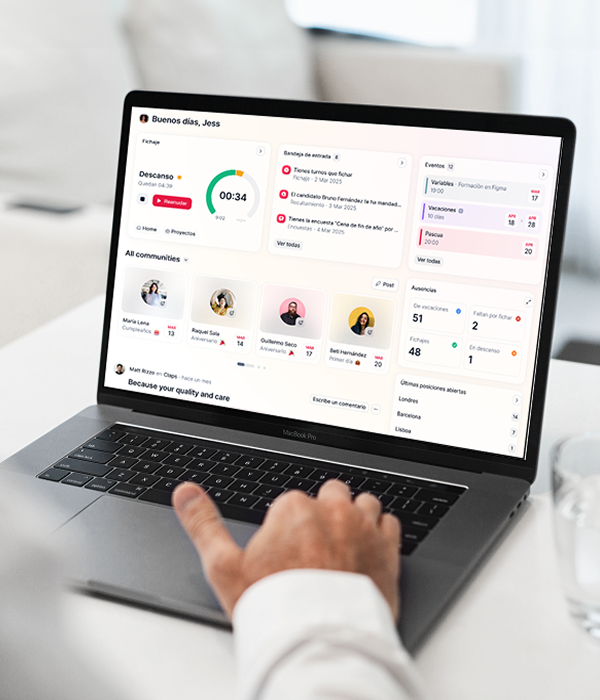
HR software such as Factorial can support your business to optimise how its annualised hours contracts work in several ways. Not only do these systems centralise operations, automate processes and streamline the manual work involved, they can specifically support annualised hours contracts by allowing you to accurately track hours worked, schedule rotas to reflect the contracts, communicate with employees so that they understand the requirements of their contract and how they will be paid, and automate payroll so it reflects the annualised hours contract. Crucially, tools like Factorial offer easy-to-use dashboards with detailed reporting and analytics on when, where, and how your workforce is working – providing the essential information required to make annualised hours contracts work to your advantage.
Annualised Hours FAQs
- What industries use annualised hours contracts?
Industries that experience peaks or cycles in demand for their services will use annualised hours contracts. These include retail, hospitality, education, healthcare and social care, local government, manufacturing, transport and logistics and agriculture.
- Can employees switch between annualised hours and standard contracts?
Employees can switch between annualised hours and standard contracts, but this requires a formal process because it constitutes a material change to working conditions. There must be mutual agreement between the employer and employees to make this change. Employers risk claims for unfair dismissal and breach of contract if they impose a chance of contract without full agreement.
- How can Factorial help me manage annualised hours contracts?
When you are working with employees on annualised hours contracts, Factorial’s business management software can help manage the contracts in the following ways:
- Accurate tracking of hours worked, leave and absences, which also supports compliance with working time regulations
- Workforce scheduling and mapping working patterns so organisations have a clear idea of quiet and busy periods
- Automation of salary payments, overtime calculations and payroll compliance requirements
- Providing an employee dashboard so individuals are clear on the hours they worked, anything they need to know from the company and where they can access documents and policies
- Engagement surveys, overtime trends and performance management tools to track well-being and productivity
- What are the benefits of introducing annualised hours at my company?
As outlined in detail earlier, there are several benefits to annualised hours contracts. These include greater flexibility, improved planning, forecasting and budgeting for both employees and employers, and greater retention and productivity rates.