How can managers encourage struggling employees to do better? This question has become increasingly more important, especially as remote work persists and companies need effective ways to evaluate and improve employee performance. A performance improvement plan (PIP) will give managers an effective roadmap to share with their team to increase their success. Managers using PIPs should take steps to communicate with employees in a way that resonates. Here, we’ll explore the most effective ways to create and implement a performance plan without burning bridges with employees.
Key Facts
- A Performance Improvement Plan (PIP) is a formal, structured tool used within a capability procedure to help an employee meet the performance standards required for their role.
- In the UK, any formal capability process, including a PIP, should follow the principles of the Acas Code of Practice on Disciplinary and Grievance Procedures to ensure fairness and avoid legal risk.
- Failure to follow a fair process can expose an employer to claims of unfair dismissal, and according to Acas, an employment tribunal can increase compensation by up to 25% if the code was not followed.
- According to peopleinsight.co.uk, a well-managed PIP process can be a constructive tool for retention. Replacing an employee in the UK can cost an average of £25,000, making successful performance management a significant cost-saving measure.

What is a Performance Improvement Plan in the UK?
| 💡 In the UK, a Performance Improvement Plan (PIP) is a formal document used within an organisation’s capability procedure to support an employee in improving their performance to meet required standards. |
The intent is to provide a supportive framework with realistic objectives aligned with business goals. A PIP provides precise steps on how to improve and outlines the support the employee will receive. It must also clearly state the consequences of not meeting the required standards within the specified timeframe, which, following a fair process, could include a final written warning or dismissal.
When is a Performance Improvement Plan Necessary?
Employers can tailor a performance improvement plan review template to fit any problem. For example, a PIP may focus on improving work quality, goal setting, or meeting growth numbers. Correctly implemented, an employee improvement plan may work wonders for struggling employees. It will give employees exact instructions on how to improve and a clear metric for measuring their improvement.
In order to be effective, PIPs must be motivated by a sincere desire to help employees improve. Because of their reputation, PIPs may make employees nervous. This means managers issuing PIPs should be prepared to communicate clearly about their expectations, check in regularly, and support employees. All of this will help boost employee morale.
That said, PIPs aren’t only for employees who are struggling in their roles. They can also help structure a position for an employee who feels unfulfilled. A PIP can prepare an employee to transition into a higher-level role or move laterally into a role that is a better fit.
Legal Considerations in the UK
In the UK, a PIP should be implemented after informal discussions and support have failed to resolve performance issues. It is a formal step within a company’s capability procedure. It’s crucial to distinguish this from a disciplinary procedure, which addresses misconduct rather than an inability to perform a role. Employers must adhere to the principles of fairness and transparency outlined in the Acas Code of Practice, as failure to do so can lead to successful unfair dismissal claims.
What are the Benefits of a Performance Improvement Plan?
By fostering employee mobility and growth, PIPs create win-win situations, benefiting both employees’ development and the organisation’s long-term success. The performance appraisal benefits are endless.
Culture of Accountability
When employers invest in bettering their employees rather than letting them go for slip-ups or poor performance, employees feel more engaged with the company. Using a performance review form empowers employees to make necessary changes and for managers to create a high-performance culture.
Save Time and Money
By addressing and fixing issues thanks to your performance improvement plan and other performance management tools, employers can boost productivity in the workplace and keep their staff on track. PIPs may be more effective than an annual performance appraisal because they are taken very seriously by employees.
Additionally, PIPs give employees a second chance, which reduces turnover. This will not only save employers the costs associated with letting workers go and training new hires. It will also save them the costs of low morale associated with firings.
Reduce Liability
A well-documented PIP process demonstrates that an employer has followed a fair and reasonable procedure to support an employee. This is crucial evidence in an employment tribunal if an employee were to later claim unfair dismissal, as noted by The Guardian.
How to Address Attitude in a Performance Improvement Plan
Talking to an employee about performance improvement is never easy, especially when it is tied to overall attitude. It might lead to a situation where employees become defensive and feel that they are being asked to meet impossible goals. They may fear that their jobs are at risk. Although good managers will always find a way to be kind and respectful, the conversation may still be uncomfortable and upsetting.
Here are our tips to make sure the interaction leaves the employee feeling supported instead of abandoned:
Be specific
An employee appraisal needs to draw on real-life examples. Instead of telling an employee that their work quality is low, employers should prepare to point to specific instances. Perhaps the employee is not taking certain responsibilities seriously. Perhaps they consistently miss important deadlines and don’t seem to be making any effort to improve. Whatever the problem, employers may be able to use performance management software to identify a pattern and not just a single occasion.
Has the employee already been asked to fix this problem? Employers may not need PIPs if they communicate openly with their staff about performance ongoing. If the employee has been warned, employers should be sure to point this out.
Focus on performance
PIPs are opportunities for growth and improvement. Managers holding these difficult conversations must stay focused on performance goals. Personal attacks in this scenario, as ever, are out of line. Proactive managers can keep a record of performance evaluations with a 360-degree review template, a performance appraisal, or a self-assessment template and use these examples to see how others organise these discussions.

How to Structure a PIP Plan Document
One of the most important aspects of a PIP is the performance evaluation form. This is the written document employers will make with employees to record objectives and a timeline for improvement. Here are some key considerations for employers developing an employee evaluation form.
1. Define acceptable performance
How would a high-performing employee be completing this role? Instead of focusing on what they don’t want, employers should first have a firm understanding of what they do want. Then, they can work backwards to determine where the employee is falling short and where they can improve.
2. Create measurable objectives
Give the employee insight into the business’s performance appraisal system. What do they need to do to improve? Use the SMART framework (Specific, Measurable, Attainable, Relevant, Time-based) to create goals employees can reasonably achieve. Keep track of employee performance metrics and take feedback into account. If they say expectations are unreasonable, there may be a good reason for it.
3. Outline resources and support
What resources will be available for employees who need to develop new skill sets? Managers can offer support through training and performance coaching. Similarly, they can encourage employees to ask their peers for guidance. Consider how to address the root of the problem.
4. Schedule check-ins
One of the most important parts of the performance appraisal form is scheduling regular meetings between the manager and employee. The manager should use these meetings as an opportunity to practise continuous performance management and ensure that the employee is meeting incremental goals and developing according to the PIP. Employees will be able to voice any doubts or difficulties.
5. State the consequences
There’s no way around it. Although PIPs should ideally help an employee to reach their potential, the possibility exists that they might not. An employee performance improvement plan form should include the repercussions of not meeting expectations.
With these considerations in mind, a manager will be able to draw up a clear and reasonable PIP.
Factorial’s performance management software can help you document every stage of the PIP process, from setting SMART goals to recording check-in meetings and sharing feedback, ensuring you have a clear, compliant audit trail.
Performance Improvement Plan vs Performance Development Review
While a PIP is a formal tool used within a capability procedure to help a struggling employee meet the performance standards required for their role, a Performance Development Review is something different.
A performance development review is a key part of the wider performance management process. It is a formal meeting to document and improve employee performance, identify training needs and development goals, provide structured feedback, and offer support for professional development.
What Is a Performance Development Review?
These reviews are usually performed as formal meetings, and usually take place every month or once a year, depending on the company’s policy. They can also be conducted on an informal basis to address regular performance issues and provide support. The biggest benefit of PDRs is that they give employees a chance to reflect on how they’re doing at work, while also giving them an opportunity to set new goals for achieving their career development goals.
These reviews are essential for the accomplishment of the company’s goals. PDRs are a way to give career advice and coach employees to perform better at their duties. If they are not conducted properly, chances are your reviews end up being useless from an organisational point of view. In fact, recent studies show that while 68% of employees who receive consistent feedback feel satisfied, less than 30% actually receive it regularly, highlighting a major gap in practice.
Why Are Performance Development Reviews Important?
In the UK, the Chartered Institute of Personnel and Development frames performance management as a continuous cycle, not a one-off meeting. A well-conducted performance development review is a cornerstone of this process, ensuring that individual efforts align with strategic business goals and that employees feel supported.
PDRs help employees improve their skills, which ultimately leads to better decision-making and improved productivity. For example, if an employee has trouble delegating tasks to other workers, they might be able to learn new skills during the PDR process that will help them delegate better in the future.
HR managers should conduct PDRs regularly so that employees can continue learning throughout their careers.
A performance development review gives employees the opportunity to:
- Reflect on their achievements over the past year and identify areas for improvement.
- Discuss career aspirations and clarify development goals.
- Share feedback with their manager.
- Set objectives for the coming period.
- Receive support from their manager in achieving those objectives
But it’s not only good for employees. Performance development reviews help managers to:
- Understand why workers are doing what they’re doing and whether their actions are aligned with company goals.
- Identify areas where employees need more training or support so that they can build on their current strengths and develop new skills.
- Give employees feedback about how well they’re performing on the job.
- Discover outstanding employees and plan promotions.
- Offer bonuses or higher salaries to qualified employees.
What Should Be Included in a PDR?
Performance development reviews are a way for managers and employees to discuss performance and development. They should be a regular activity of your organisation’s HR strategy.
A PDR is a chance for you to discuss an employee’s strengths, development needs, and career goals. It’s an opportunity for them to tell you what they’ve been doing well, what they want to achieve and how they can improve their performance. You should also discuss any issues that might be affecting the employee’s productivity and how they can be resolved.
To conduct a successful PDR, you first need to split the process into four stages:
1. Performance Expectations
This section should include specific goals or objectives that have been set by the manager and the employee. At this point, you can review the goals established at the beginning of the performance cycle to reflect on accomplishments and obstacles in the next step.
It’s worth mentioning that at this stage it is helpful to judge the efficiency of the objectives you set before. Are they still relevant to your company? Were those goals realistic and aligned with the tools and skills of the employees involved? If not, then you might want to adjust your goals for the next period.
2. Performance Results
This section should include a summary of how the employee performed against their performance expectations. It should also include any feedback from other team members who may have helped with this goal or objective.
An employee’s performance should be evaluated based on the work they’ve completed within a specific period. This can be broken down into smaller tasks that are assigned to employees on a weekly basis. Some companies will include deadlines in their performance expectations, which allow employees and managers to evaluate how well an individual has performed within a cycle or period.
3. Development Plan
This section describes how the employee can increase their performance in the next period by identifying areas for improvement and providing suggestions. These plans should be based on the business objectives of your organisation and aligned with the overall direction of the company.
Furthermore, the development plan should outline the skills that need to be developed, and how this will be achieved. According to UK guidance from Acas, objectives should be SMART: Specific, Measurable, Achievable, Relevant, and Time-bound.
Examples of Development Goals for a Performance Development Review:
- For a Marketing Assistant: ‘To improve my data analysis skills, I will complete the Google Analytics IQ certification within the next three months and present a monthly performance report to the team with three key insights.’
- For a Sales Executive: ‘To increase my closing ratio by 10% in the next quarter, I will attend the advanced negotiation skills workshop and implement a new follow-up sequence for qualified leads.’
- For a Junior Developer: ‘To contribute to the new product feature, I will master Python by completing the advanced online course and pair-programming with a senior developer for at least four hours per week over the next two months.’
4. Training Needs
This section should include any training that would help the employee meet their performance expectations in the future.
For example, an employee working in the sales department might state something like this in a PDR: “I want to improve my customer service skills by improving my ability to handle difficult customers.”
As a manager, it’s part of your job to search for training programmes which can help the employee grow in this particular area. It’s important to provide employees with coaching and career guidance so they can develop their talents. By providing opportunities for growth and advancement, you can retain your best employees and ensure your organisation has well-trained staff to cover roles which demand more responsibilities.
A 2026 report found that lack of career growth is the single most-cited reason UK employees leave their jobs.
After you conduct the review, you likely need to document the current state of your employee and the plans for the future. This technical document must include basic employee information, such as:
- Employee’s name and job title.
- The purpose of the review (e.g., performance management).
- Any areas for improvement identified by the employee during their self-review or through feedback from others (e.g., peer review).
How to Conduct a Successful Performance Development Review
As a manager, you have a unique opportunity to help your employees improve their performance. The process of conducting a performance development review (PDR) is an excellent way to deepen your relationship with your people and help them achieve their goals.
Here are some tips for conducting a successful review:
1. Set aside time with each employee
This ensures that they know exactly what you’ll be talking about during the PDR session and why this meeting is important for both parties involved. Be sure not to overload them with too many tasks at once. Focus only on getting started with one area of improvement at a time.
2. Communicate your expectations clearly
An important step of a performance development review is to communicate your expectations clearly to your employee. If you’re having trouble communicating your expectations, you can use our guide on how to create an effective performance appraisal. Before you begin your meeting with your employee, set a clear goal for what you want to achieve from the review. What do you want them to learn from this session? By the end of the period, what do you hope they’ll achieve? If someone were conducting this assessment again, what would be considered “best practice”?
3. Gather data about your employee’s performance
You can gather this through reviews from managers and peers, as well as 360-degree feedback from others in the organisation. You can also ask your employees directly what they think they need to work on, what they’re good at or what they’d like to learn more about. This information will help you tailor your discussion with each employee accordingly.
4. Use performance data as part of the process
Performance data is essential for understanding where employees stand concerning their goals and objectives. By using performance data as part of the process, you can see how well an employee has performed. You can use this information as part of your discussion about what went well and what could be improved during the performance development review process.
5. Make it a team effort
Conducting a performance development review can be a lot of work, so enlist help from other managers and leaders in your organisation. You’ll be able to cover more ground and get more feedback from people who know the employee well. You might even want to hold a group session where several people conduct interviews with whole departments at once.
6. Make sure there’s enough time between reviews
An annual review should happen when an employee has been on the job for about six months or longer. Otherwise, it won’t provide much value. Remember to schedule regular check-ins with employees throughout the year so you can address obstacles before they become bigger problems or derail someone’s career path altogether.
What are the Best Practices for a PIP Meeting?
While PIPs can help struggling employees improve performance, the PIP process can also cause stress. What are the best employee performance management practices to make sure the PIP goes over as smoothly as possible?
1. Make a plan
First, create a plan. Organise a meeting with both the employee’s manager and HR present. Meanwhile, prepare what to say ahead of time, and make sure to have an employee evaluation form ready.
2. Listen to your employee
Give the employee an genuine opportunity to respond. Under the Acas Code of Practice, employees have the right to be heard. There may be underlying reasons for their performance issues, such as personal challenges, a lack of training, or even a disability requiring reasonable adjustments under the Equality Act 2010.
3. Find the root cause of the issue
If an employee is showing poor performance, chances are there is a good reason. This employee was hired because of their skills and their attitude, so they are probably not faltering out of spite. Does the employee struggle to understand the expectations of their role? Are they having trouble outside of work that is affecting their performance? Investigate specific issues through targeted performance review questions and offer support accordingly.
4. Emphasise the positive
Emphasise the employee’s positive attributes and the impact they have made on the business. This is an opportunity for them to create a personal improvement plan. Help them to find ways to expand their positive influence.
5. Provide guidance
The supervisor evaluation will help employees to better understand the business’s expectations. Clear goal-setting will give employees a clear path to follow and help them to reach objectives.
6. Check-in regularly
Track the employee’s progress after the initial meetings. Is their improvement in line with any interim goals? Regularly touching base will help to keep employees motivated and moving in the right direction. Offer an employee review form so employees can evaluate their own progress.
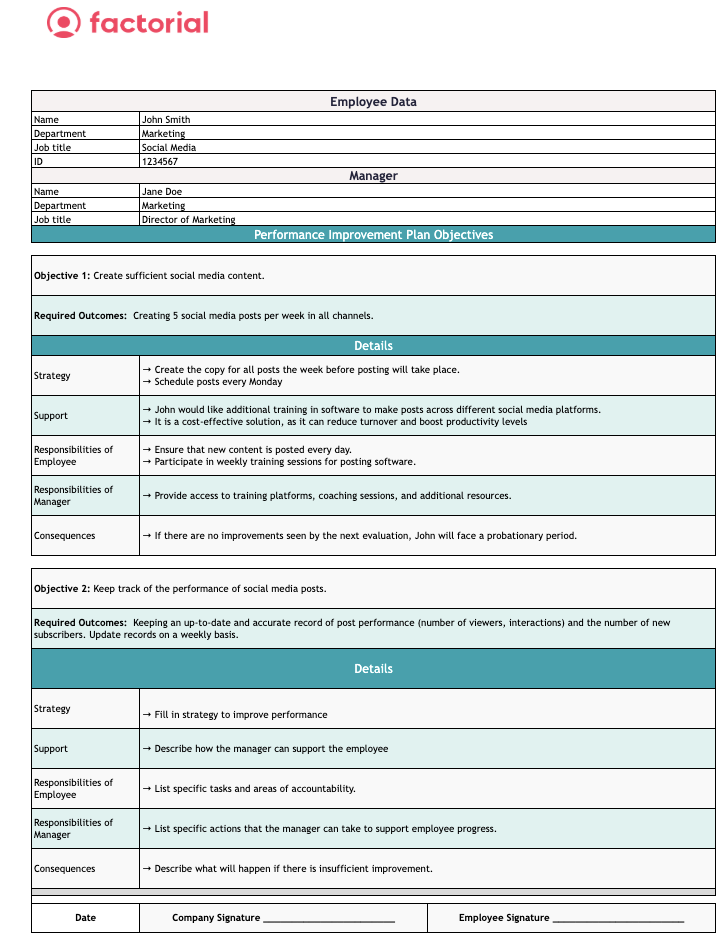
Employee Performance Improvement Plan Example
Below you will find an example of a Performance Improvement Plan created for a social media manager working with the marketing team.
A PIP might be used to resolve a number of situations. Next, we’ll explore how to use a staff performance evaluation to address an employee’s spotty attendance record.
Example for a PIP to improve attendance
The first step is to explain what kind of attendance is expected of the employee. Show the employee how their behaviour is affecting the rest of the staff. Are the employee’s colleagues having to cover shifts on short notice or pick up the slack? Demonstrate a history of absences using absence-tracking software.
Secondly, create measurable objectives. In this instance, it might be no absences or late arrivals in the next month.
Thirdly, figure out if there is any way you can support the employee. Do they need a different shift so that they can be free to pick up their kids from school in the afternoon? Schedule check-ins to meet throughout the month and discuss the employee’s progress.
Finally, let the employee know the consequences they will face if they continue missing work. In the end, the PIP form should include some version of the following:
Goal: To reduce absenteeism
Objectives: To have no unauthorised absences and no instances of lateness for the next 30-day period. This is a measurable objective as outlined in the SMART framework.
Action: Only miss work when authorised for medical or personal reasons
Support: Shift switches if necessary
Check-ins: Every Friday at 10 am for the next month
Performance improvement plan free template
With the performance improvement plan template below, you’ll be able to customise your own plan to improve your employee’s performance.
How to Respond to a Performance Improvement Plan for Employees
For employees being called in to discuss a PIP with their manager, the process can be nerve-wracking. Maybe the manager pointed out room for improvement before, but the employee didn’t realise it was quite so serious. The good news? This employee evaluation is an opportunity for employees to step up their game and improve their performance. How they react will either win the trust of their bosses for the long term or further reduce confidence.
1. Be honest with yourself
It can sting when the boss says your work isn’t up to par, but it is also a valuable opportunity for reflection. Think carefully about your performance. Have you been preoccupied with other things recently? Have you been letting things slide?
If your boss asks you to self-evaluate, consider checking out how to write performance reviews for yourself, use examples so you can present a more objective picture.
2. Make your job a priority
It’s time to refocus on work. Make sure you have enough time to give your projects the attention they deserve. Show your manager what makes you shine.
3. Seek help when you need it
Self-improvement is never easy. Fortunately, a performance improvement plan probably means that your company is interested in helping you grow in the right direction. If you feel that you have received an unfair performance improvement plan, be sure to communicate clearly with your boss about how it could be adjusted. Don’t squabble about past incidents. Instead, focus on the future and meet the objectives before you. Make sure to take advantage of the resources available to you.
4. Stay positive
Although your ego may have taken a hit, it’s more important than ever to keep a positive attitude. Show your manager that you are willing and eager to make the necessary adjustments. To sum up, don’t let small challenges hold you back!
Is a Performance Improvement Plan Bad?
Is a PIP a bad thing? It certainly doesn’t have to be. Employers should never use a PIP as a superficial step before termination. Like salary reviews, pay-for-performance models, and stack ranking, performance improvement plans have consequences.
However, PIPs do offer a legitimate opportunity for growth. If managers conduct a PIP with the intention of listening to their employees’ perspectives, performance improvement plans can be constructive. If employees are open to change, both may be able to work out a plan and learn from the discussion.
Set your team up for success with performance management software
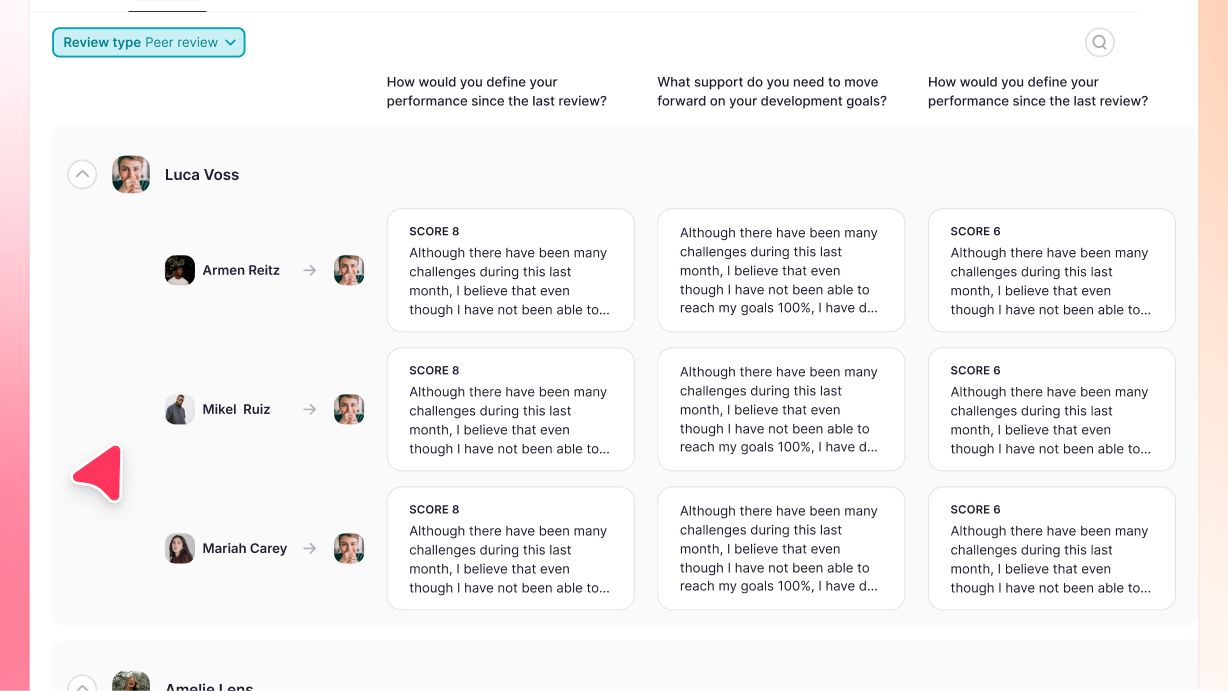
Knowing the difference between performance improvement plans and performance development reviews is just the first step to building a proper strategy for performance management in your organisation. The next step is creating a system for each and implementing them step-by-step across your teams. Factorial’s AI platform can help you manage the administrative side of things so you can dedicate more of your time to supporting the development of your people.
Performance Improvement Plan FAQs
A PIP must last long enough to give the employee a genuine opportunity to improve and demonstrate that the improvement is sustainable. 30 days is often considered the bare minimum, but the most common timeframe is between 60 and 90 days. They often last up to 6 months for roles where success is measured over a longer period.
A PIP is a serious, formal process indicating significant concerns about your performance. While it can be a step before termination, its primary goal is to provide a structured opportunity for you to improve and succeed in your role with clear goals and support from your manager.
It is generally advised not to resign while on a PIP unless you have a confirmed job offer. Resigning often makes you ineligible for unemployment benefits and gives up any leverage. Engaging with the PIP process is typically the more strategic choice for your career and finances.
A PIP is a serious warning about performance, but it's not always the final one. It is a formal opportunity to improve with clear, documented expectations. Failure to meet the plan's objectives can lead to further disciplinary action, including termination.