Only 62% of workers are satisfied with their jobs, but despite that, 43% of this group are looking for new job opportunities.
Talent acquisition is a tricky business. There are about 100 different ways you could go about finding your next hire and about 1000 questions you could ask yourself to figure out what you’re looking for. The whole process, from start to finish, requires careful planning and consideration and an adept hiring or HR team ready to undertake the complexities behind the whole process. Here is everything you need to know about effective talent acquisition and what it can bring to your organisation.

What is Talent Acquisition?
Talent acquisition is the art of spotting, wooing, and ultimately onboarding the best and brightest individuals for your organisation. It’s often seen as a company’s lifeblood because, without a steady influx of top-notch talent, it’s challenging to keep the wheels turning smoothly. But it’s all about building a solid, sustainable workforce for your business.
To seek these hidden gems out, recruitment becomes more than just posting a job ad and waiting for applications to flood in. It’s a strategic, proactive, and ongoing process that encompasses everything from identifying your hiring needs to nurturing relationships with potential candidates.
Why is Talent Acquisition Important?
Talent acquisition is important for a few reasons. It can draw in top-tier talent, and its effective recruitment strategies are capable of shaping virtually any organisation’s success rates. There is also an undeniable competitive advantage that its practices bestow upon businesses. With that said, here are some specific facets that talent acquisition is important for propelling organisational success.
Nurturing Organisational Growth
Talent acquisition goes a step further than simply filling up the role with a new hire. You’re looking to source and nurture like-minded people who can steer your company ship towards success and, along the way, craft a workforce that’s not just skilled but fully aligned with the company culture and vision.
Staying Ahead of the Competition
Nowadays, innovation and change are the norm, so staying ahead of the competition is crucial. Effective talent acquisition means having the ability to adapt quickly to market shifts, and a well-rounded team brings fresh perspectives, diverse skills, and the agility needed to tackle the unpredictable twists and turns of business.
Enhancing Employee Retention
Hiring isn’t a one-and-done process. The process both brings talent in and keeps said talent engaged or motivated to stay for the long run. High employee turnover is a costly affair for just about any organisation, both in terms of finances and productivity. By investing in the right talent from the get-go, companies can mitigate these pitfalls while retaining their best and brightest.
Boosting Innovation
Great ideas are born from the collision of different perspectives. Talent acquisition plays a pivotal role when it comes to this asset, assembling a team of individuals with diverse backgrounds and experiences. This diversity is the breeding ground for innovation, where unique viewpoints collide and fuse to generate fresh ideas.
Maintaining Brand Image
Talented and content employees can become brand advocates, promoting your business even outside working hours. On the other hand, disgruntled or unsatisfied employees can tarnish your brand image. Talent acquisition helps maintain a positive brand perception by bringing in individuals who are not just proficient but also passionate about their work and your company.
Adapting to Market Demands
A challenging reality companies face is that market conditions fluctuate, and what’s in demand today might be obsolete tomorrow. An effective talent acquisition strategy can actually help tread this hurdle. Whether it’s a sudden surge in demand or a new technological breakthrough, having the right talent at your disposal provides you the ability to respond quickly and seize opportunities.
Who is Responsible for Talent Acquisition?
The responsibility is a bit of a shared endeavour. While the final decisions rest with hiring managers, the HR department and recruitment specialists often spearhead the process, with leadership teams setting the overarching vision and goals and employees serving as invaluable brand ambassadors. It’s a collective effort to ensure the right talent is brought on board, and here’s a recap of its key players:
- HR Department: HR professionals are responsible for defining the company’s values, crafting job descriptions, conducting interviews, and ensuring candidates align with the company culture.
- Recruitment Specialists: These professionals specialise in sourcing, screening, and selecting the right candidates, using their expertise to find the best fit for job openings.
- Hiring Managers: Hiring managers provide valuable input based on departmental needs, making the final decision on hiring to ensure prospective employees align with the team’s goals.
- Leadership Teams: Company leaders set the overall vision, goals, and strategies that influence the type of talent needed to achieve the organisation’s objectives.
- Existing Employees: Current employees serve as brand ambassadors, promoting the organisation and enticing potential candidates when they are engaged, enthusiastic, and satisfied with their work.

The Key Role of HR
Safe to say, HR stands as the mind of the whole operation, fitting together the pieces to create a complete talent acquisition process. HR is capable of deploying the right digital toolsets to accurately sort through every CV. It’s the expert department capable of determining the best places to seek out potential hires, whether it’s specific job portals, referrals, or even career fairs.
Moreover, HR is your company’s talent whisperer. They understand the need to strike a balance between the long-term goals and the immediate needs of the organisation. They’re the ones who can make an onboarding process feel smooth and easy, making new hires feel welcomed and valued from day one. This welcoming feeling is another HR speciality, as they’re the keepers of company culture. They help define it, maintain it, and ensure it remains a magnet for top talent by organising training, mentoring, or even development programs to help employees reach their full potential.
Examples of Recruitment Strategies
There are a number of tried and tested recruitment strategies that talent acquisition experts take on, all of which bring highly valuable results to your company. Let’s take a look at some leading examples of recruitment strategies HR teams deploy as they seek out the best of the best.
Networking
The current job market is all about virtual connections. Your best hires might be hiding in the vast ocean of LinkedIn profiles. In fact, almost 80% of LinkedIn jobseekers dig through recruiter profiles to prepare for interviews. This strategy involves tapping into your industry’s network, building relationships, and connecting with potential candidates who might not be actively looking for a job. Remember, it’s not just about what you know but who you know.
Employee Referrals
Your current employees can be your best talent scouts. Implementing an employee referral program is like setting up a win-win situation. Not only do your employees get the chance to bring their talented friends into the fold, but they also receive a little bonus for their efforts.
Dedicated Job Posting
When it comes to job postings, it’s not about quantity but quality. Make your job descriptions sing and shine. Showcase your company culture, outline the opportunities for growth, and let potential candidates see the bigger picture. And don’t forget about the power of keywords – they’re like breadcrumbs that lead the right candidates to your door.
Internship Programmes
Internships are your golden ticket to moulding fresh talent that will be accustomed to your way of doing things. Said internships will allow you to assess potential full-time or part-time recruits in action, gouging to see whether they’ll be a perfect fit while giving them an opportunity.
Talent Hunting with Tech
Today’s technology can truly streamline your recruitment process and make your talent hunt much, much easier. From AI-driven resume screening to video interviews, there’s a tech solution for every recruitment challenge.
Showcase your Company Culture
If your company culture is the bee’s knees, why not shout it from the rooftops? Let potential hires in on the secret sauce of what makes your workplace amazing. Share stories, videos, and testimonials that reveal your company’s heart and soul. It’s a recruitment strategy that attracts people who not only have the skills but also fit seamlessly into your tribe.
How to Measure the Success of Recruitment Strategies
Measuring the success of your recruitment strategies is the only way to guarantee your organisation is on the right track. After all, what gets measured gets managed. Here are some ways in which you can do so:
- Cost-Per-Hire Analysis: This figure accounts for the total expenses associated with acquiring a new employee. It includes recruitment advertising, software, agency fees, and the time HR personnel spend on the process.
- Time-to-Fill Metrics: The duration it takes to fill a job vacancy from the moment it’s posted to the day a candidate is hired. A prolonged time-to-fill can be an indication of inefficiency. On the flip side, a quick time-to-fill can reduce disruptions and maintain a steady workflow.
- Retention Rates: High employee turnover can be costly and disruptive. Monitoring retention rates for hires made through different strategies can help pinpoint which methods result in long-lasting, engaged employees.
- Candidate Feedback: Feedback from candidates is often an overlooked but valuable source of data. Ask candidates about their experience during the hiring process. Their responses can provide insights into the candidate experience, which in turn can help in refining your strategies.
- Return on Investment (ROI): Ultimately, you want to assess the ROI of your recruitment strategies. Calculate the financial return compared to the costs invested in the hiring process.
Talent Acquisition Strategies for Small Businesses
A talent acquisition strategy is key for any small business owner in attracting top talent and nurturing a skilled workforce. But doing so is easier said than done. Small business owners face unique challenges regarding talent acquisition due to limited resources and budget constraints.
Research by the CBI found that 61% of businesses aren’t confident there will be enough talent available in the future with the necessary skills to fill their high-skilled jobs. Talent competition was one of the top factors driving this uncertainty.
However, organisations can adopt effective strategies to overcome these obstacles and successfully acquire talent. From building an attractive employer brand to leveraging marketing strategies and targeting potential customers, this article will cover actionable insights that can help organisations attract and retain top talent.
Key Factors Influencing Talent Acquisition for Small Businesses
Survey data by Glassdoor found that the talent acquisition process in the UK can take up to 32 days. Talent acquisition may take longer than it should for a variety of reasons, including:
Limited Resources and Budget Constraints
Smaller organisations often operate with limited financial resources, making competing with larger companies regarding salary offerings and benefits packages challenging. Companies can overcome this hurdle by highlighting their unique advantages, such as a close-knit work environment, opportunities for growth and learning, and a chance to impact the organisation significantly.
Brand Perception or Visibility
Small businesses may struggle with brand awareness compared to larger, well-established organisations. This can make it challenging to attract high-quality candidates who may be more familiar with prominent industry players. Still, it can be offset through targeted marketing efforts, participation in industry events, and a positive online presence.
Resource Allocation or Flexibility
Smaller brands often have restricted financial resources allocated for recruitment and talent acquisition. This requires a more cost-effective approach to leveraging free or low-cost recruitment channels, optimising internal resources, and prioritising strategic partnerships.

Competitive Positioning
While smaller companies may not always compete with larger organisations in salary packages, they can offer alternative benefits such as flexible work arrangements, opportunities for skill development, work-life balance, and supportive company culture.
They could also identify and leverage their unique selling points to differentiate themselves from competitors. This can include highlighting opportunities for professional growth, personal impact, and a close-knit work environment that fosters collaboration and innovation.
Talent Acquisition Strategies for Small Companies
According to LinkedIn’s Future of Recruiting Report 2023, nearly 90% of expert recruiters affirm that talent acquisition has become far more strategic over the past year. To keep your competitive edge and guarantee top talent comes your way, here are some effective talent acquisition strategies you can adopt in your organisation.
1) Develop a Comprehensive Talent Acquisition Plan
Developing a comprehensive talent acquisition plan involves carefully assessing the organisation’s current and future talent needs, defining job requirements and qualifications, and creating compelling job descriptions. Doing so can effectively target and attract qualified candidates by understanding the specific skills and attributes needed for each role.
Creating a talent acquisition plan also involves establishing a recruitment timeline and budget. This allows you to allocate resources efficiently and set realistic goals for attracting and onboarding new hires. Additionally, the plan should outline the sourcing channels, such as online job boards, social media platforms, and professional networks, ensuring a diversified approach to reach a wider talent pool.
2) Build a Strong Employer Brand
An employer brand represents the reputation and image of the organisation as an employer, influencing how potential candidates perceive it. By showcasing an attractive employer brand, you can differentiate yourself from competitors and attract top talent.
Your brand should emphasise its company culture and values, which can be done through engaging content on the company website, social media platforms, and employee testimonials. Highlighting unique employee benefits, such as flexible work arrangements, career development opportunities, and a supportive work environment, can also help attract and retain talented individuals.
3) Leverage Technology for Recruitment
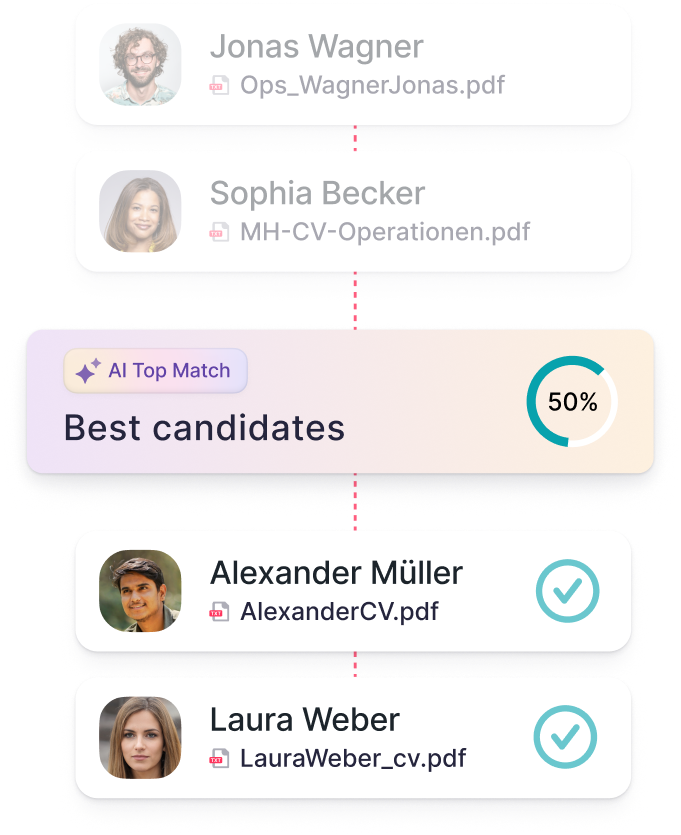
Technology streamlines the recruitment process, making reaching your target audience more efficient and cost-effective. An applicant tracking system (ATS) can be used to automate candidate sourcing, screening, and tracking. These systems enable easy management of job postings, resume databases, and communication with applicants. You can also post job openings on popular job boards and leverage the power of social media platforms like LinkedIn to connect with potential candidates.
Moreover, using technology to your advantage enables you to collect and analyse recruitment data. This data provides valuable insights into the effectiveness of sourcing channels, candidate selection criteria, and overall recruitment performance.
4) Develop Strategic Partnerships
Collaborating with local educational institutions and training centres can provide access to fresh graduates or individuals with specific skill sets. You can establish relationships with these institutions through internships, job fairs, and guest lectures to attract talented candidates.
However, you could also engage with industry associations and networks. This means participating in industry events, conferences, and online forums to connect with professionals in your field. Building relationships with recruitment agencies and headhunters can also be beneficial, as they have access to a broad network of candidates and can provide expertise in sourcing and screening.
5) Effective Candidate Assessment Methods
These assessments should measure specific job-related skills, soft skills and cultural fit within the organisation. For example, structured interviews and skills assessments help evaluate candidates’ qualifications and abilities objectively.
But beyond these, your organisation can conduct reference checks and background screenings and gain clarity on candidates’ past performance, reliability, and professional conduct. Verifying qualifications, certifications, and previous employment history helps ensure the accuracy and authenticity of the candidate’s claims.
Behavioural and situational assessments can also help you better understand candidates’ behaviour and problem-solving skills. These assessments simulate real-world scenarios to assess how candidates approach challenges and make decisions. They provide valuable insights into candidates’ problem-solving abilities and fit within the organisation’s culture.
Talent Acquisition with Factorial
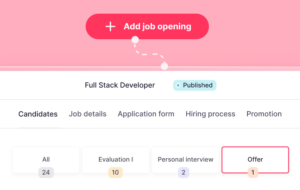
Factorial offers a seamless solution for your talent acquisition needs. With our all-in-one tool, you can effortlessly manage job openings, customise your hiring process to make your company stand out, and create personalised application forms. Another excellent feature of Factorial’s digital solution is that it allows you to centralise all crucial candidate data for smooth integration and gain valuable insights from your talent acquisition data. With Factorial, be ready to streamline your recruitment process and permanently enhance your competitive edge in the job market.