Finding the best employee onboarding software is one of the most impactful decisions an HR team can make. The first days and weeks shape how new hires feel about their role, their team, and the company as a whole. A smooth onboarding experience helps people feel confident, welcomed, and ready to contribute from day one. When onboarding is slow or unclear, new hires can feel confused and disengaged before they even get started, making dedicated onboarding software solutions a necessity.
Key Facts: Best Employee Onboarding Software
- What it is: The best employee onboarding software automates workflows, document collection, e-signatures, and task assignments− replacing manual processes with a structured, consistent new-hire experience.
- The retention gap: According to Gallup, only 12% of employees strongly agree their organisation does a great job onboarding new hires− meaning 88% of businesses have significant room to improve.
- The cost of getting it wrong: The CIPD’s Resourcing and Talent Planning report found that 41% of new employees in the UK quit within just 12 weeks of starting, highlighting the direct link between poor onboarding and early attrition.
- The upside of getting it right: Organisations with strong onboarding processes improve new hire retention by 82% and productivity by over 70%.
Table of Contents
- What is employee onboarding software and what does it do?
- Why should UK businesses invest in employee onboarding software?
- Top 5 best employee onboarding software platforms in 2026
- How does the best employee onboarding software compare? A 2026 platform overview
- How to use employee onboarding software to grow your team effectively
- Why Factorial is essential for your business
What is employee onboarding software and what does it do?
Onboarding software solutions are digital tools designed to manage and improve the employee onboarding process. They help HR teams organise all onboarding tasks in one system, from the moment a job offer is accepted to the end of a new hire’s probation period.
These platforms replace manual processes such as email chains, printed documents, and shared folders. Instead, they provide a structured workflow that guides HR teams and new employees through each step. This includes sending contracts, collecting personal details, setting up system access, and sharing company policies.
At their core, onboarding software solutions aim to create a better experience for both HR teams and new hires. For HR, they reduce repetitive tasks and lower the risk of errors. For employees, they provide clarity and consistency during their first days at the company during employee induction.
Onboarding software often include an employee portal where new hires can complete tasks at their own pace. This might include uploading documents, signing contracts electronically, or reviewing training materials before their first day. Preboarding saves time and helps employees feel prepared and supported.

Onboarding software solutions are also closely linked to compliance. HR teams must collect and store sensitive employee data while following data protection laws such as GDPR. A dedicated onboarding platform helps ensure documents are stored securely and processes follow legal requirements.
UK employers also have specific legal obligations that onboarding software can help manage. Under the updated right-to-work checks guidance issued by the Home Office in July 2025, employers must verify every new hire’s immigration status digitally — including through the UK Visas and Immigration online portal for eVisa holders — before their start date. According to Gov.uk, onboarding platforms that integrate document verification and compliance tracking help HR teams meet these requirements consistently and avoid fines of up to £60,000 per worker for non-compliance.
For growing companies, onboarding software solutions make it easier to scale. Whether hiring one person or fifty, the process stays organised and consistent. This consistency helps protect the employer brand and ensures every new hire receives the same high-quality experience.

Why should UK businesses invest in employee onboarding software?
Companies of all sizes are using onboarding tools to improve efficiency, support growth, and create a strong first impression for new hires. A well-managed onboarding process sets the tone for the entire employee lifecycle.
When onboarding is handled manually, HR teams often spend hours chasing paperwork, answering the same questions, and fixing administrative errors. This time could be better spent supporting people, improving culture, and focusing on strategic goals. Onboarding software solutions help remove these barriers by automating HR tasks and keeping everything in one place.
One of the main reasons companies invest in onboarding software is to increase productivity. New hires who receive clear guidance and timely information become productive faster. They know what is expected of them, who to contact, and how to access the tools they need. This reduces downtime and helps teams perform better as a whole.
Another key reason is the impact on employee engagement and retention. First impressions matter. A smooth and professional onboarding experience shows new hires that the company is organised and values their time. This builds trust early on and can reduce early turnover, which is costly and disruptive for any business.
The scale of this challenge is well documented. The CIPD notes that an employee’s first impressions of an organisation have a significant impact on their integration and job satisfaction, and that effective induction reduces the risk of early attrition and its associated costs. With the Employment Rights Act 2025 now in force — bringing changes to unfair dismissal qualifying periods that will affect employers from 2027 — UK businesses must also review their onboarding and probationary period policies to ensure compliance much sooner than many anticipated.
Onboarding software solutions also support consistency. Every new hire follows the same structured process, regardless of their role or location. This is especially important for companies with remote or hybrid teams, where face-to-face support may be limited.
From a compliance point of view, onboarding software helps HR teams meet legal and data protection requirements. Important documents are stored securely, deadlines are tracked, and access controls help protect sensitive information. This reduces risk and gives HR teams peace of mind.
Overall, investing in onboarding software solutions helps companies work smarter. It improves the employee experience, supports HR teams, and creates a strong foundation for long-term success.
Key benefits of using the best employee onboarding software
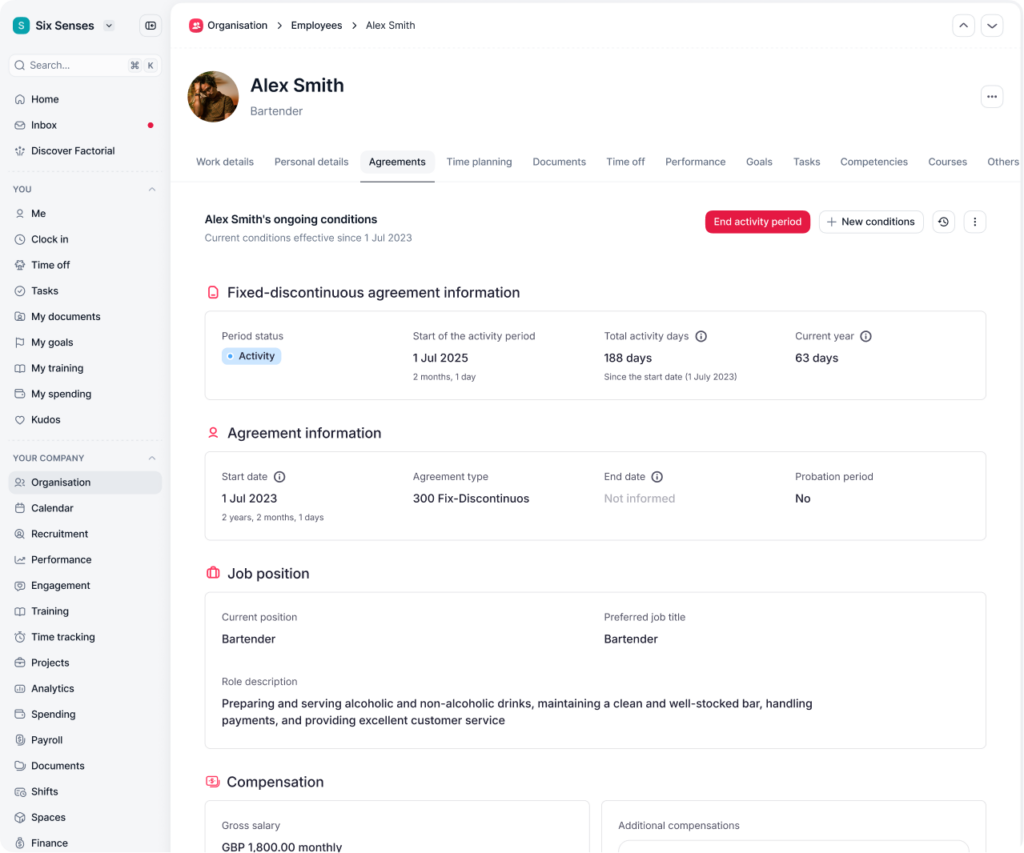
Onboarding software solutions offer a wide range of benefits that go beyond simple task management. One of the biggest advantages is time savings. By automating repetitive tasks, HR teams can reduce manual work and focus on people rather than paperwork.
Another benefit is improved accuracy. Automated workflows reduce the risk of missing documents, incorrect data, or forgotten tasks. Everything is tracked within the system, making it easier to spot issues early and fix them quickly.
Onboarding software also improves communication. New hires receive clear instructions, reminders, and access to key information in one place. This reduces confusion and helps them feel more confident during their first days.
Employee engagement is another important benefit. When new hires feel supported and informed, they are more likely to feel positive about their role and the company. Research shows that employees who experience exceptional onboarding are 2.6 times more likely to be extremely satisfied with their workplace, and that only 12% of employees strongly agree their organisation does a great job onboarding new hires. A structured onboarding process helps your team connect with the organisation and understand its values and goals from day one.
Finally, onboarding software solutions support scalability. As your company grows, the onboarding process can grow with it. You can onboard more employees without adding extra admin work or losing quality in the experience.

Key features to look for
When choosing onboarding software solutions, certain features can make a big difference to your HR team’s efficiency. HR onboarding automation is one of the most important. Automated task assignments, reminders, and workflows help ensure nothing is missed.
Document management is another key feature. A good onboarding platform allows HR teams to upload, store, and organise documents securely. New hires should be able to access and upload files easily without sending multiple emails.
Electronic signatures are now essential. E-signatures allow contracts and policies to be signed digitally, speeding up the process and reducing the need for printing and scanning.
Self-service portals are also valuable. These give new hires control over their onboarding tasks and reduce the number of questions HR teams need to answer.
Finally, reporting and visibility features help HR teams track progress and identify bottlenecks. This insight makes it easier to improve the onboarding process and meet HR performance goals.
Top 5 best employee onboarding software platforms in 2026
When evaluating the best employee onboarding software for your business, consider these four criteria: (1) UK compliance features− does the platform support right-to-work document storage and eVisa verification workflows? (2) Integration depth− does it connect onboarding with payroll, time off, and performance? (3) Scalability− can it handle your hiring volume as you grow? (4) Ease of use− will managers and new hires actually adopt it? The platforms below have been assessed against these criteria.
1. Factorial
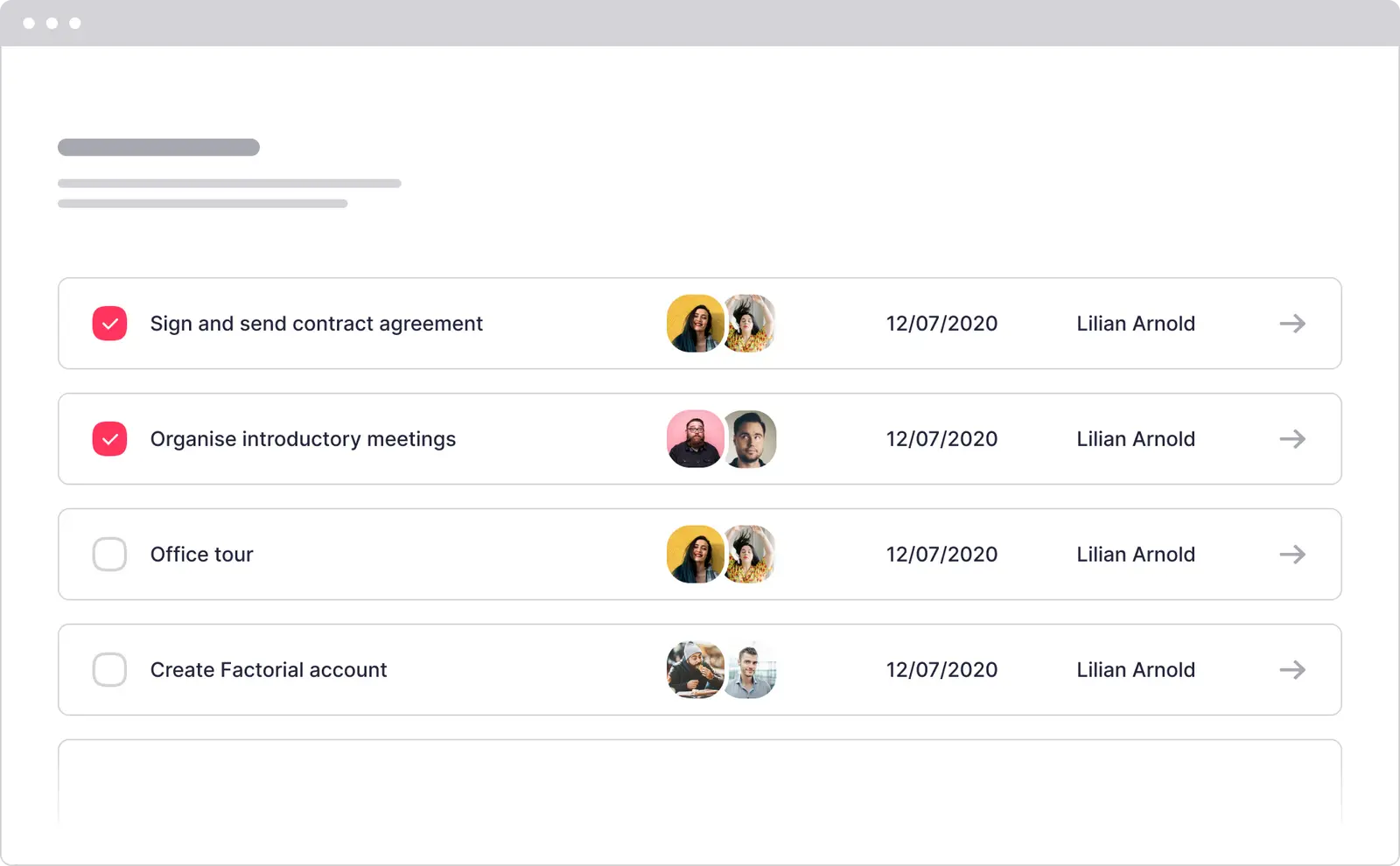
Platform overview: Factorial is an all-in-one business management software designed to support small and medium-sized businesses. It offers a strong onboarding module that helps HR teams manage every step of the employee journey from one central platform. Factorial focuses on ease of use, automation, and visibility, making it a popular choice for growing teams.
Key onboarding features: Factorial allows HR teams to create structured onboarding workflows that guide new hires through their first days. Tasks can be assigned automatically, ensuring nothing is forgotten. HR managers can extend job offers, collect personal information, upload documents, and request electronic signatures directly within the platform.
The employee self-service portal gives new hires access to contracts, policies, and onboarding tasks before their start date. This helps them feel prepared and reduces back-and-forth communication. Factorial also integrates onboarding with other HR functions such as time off, performance, and payroll, creating a connected experience.
Pros
- Simple and intuitive interface
- Strong automation and task management
- Built-in e-sign and document storage
- Integrates onboarding with wider HR processes
Cons
- May offer more features than very small teams need
Who is it for: Factorial is ideal for small to medium-sized companies in the UK and Ireland that want to scale their HR processes without adding complexity. It is especially useful for teams looking for one platform to manage onboarding and ongoing employee management.
Price: Factorial offers flexible pricing based on company size, with plans starting at a competitive monthly rate per employee.
2. ADP Workforce Now
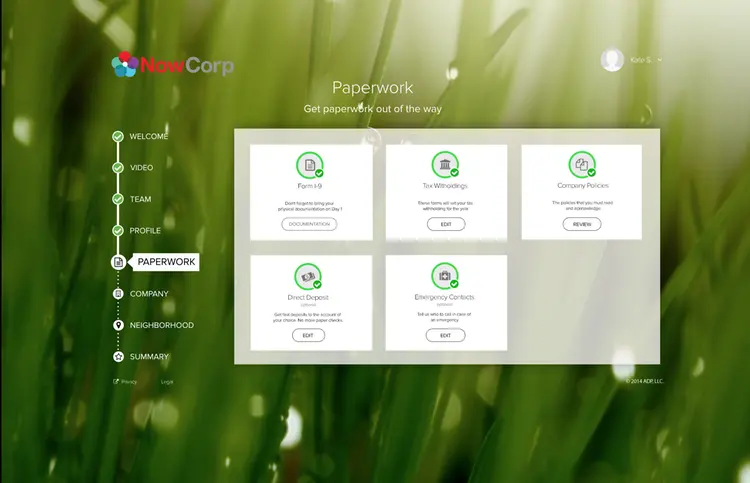
Platform overview: ADP Workforce Now is a well-established HR and payroll platform used by medium to large organisations. Its onboarding tools are part of a broader HR suite designed to manage complex workforces and compliance requirements.
Key onboarding features: ADP provides guided onboarding workflows, document management, and compliance support. It helps HR teams manage new hire data, contracts, and policy acknowledgements while integrating closely with payroll and benefits.
Pros
- Strong compliance and payroll integration
- Suitable for large and complex organisations
Cons
- Interface can feel complex
- Higher cost compared to simpler solutions
Who is it for: ADP Workforce Now is best suited for larger UK and Ireland employers with complex payroll and compliance needs.
Price: Pricing is custom and typically higher, depending on company size and selected modules.
3. Zoho People
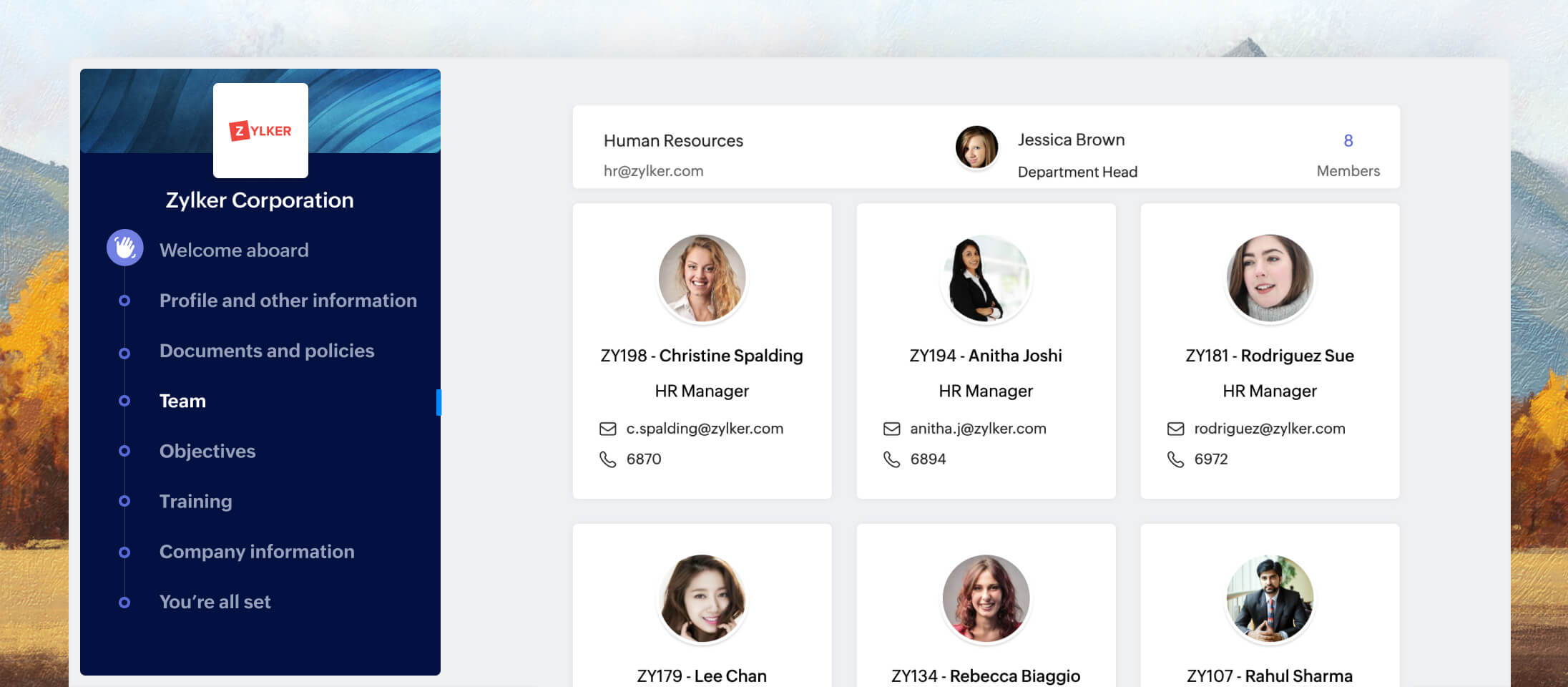
Platform overview: Zoho People is part of the Zoho software ecosystem and offers a flexible HR platform with onboarding capabilities. It is known for its customisation options and affordability.
Key onboarding features: Zoho People includes onboarding workflows, document collection, and employee self-service tools. HR teams can customise forms and processes to match company needs.
Pros
- Affordable pricing
- Customisable workflows
- Works well with other Zoho products
Cons
- Interface can feel less intuitive
- Setup may take time
Who is it for: Zoho People suits small to medium-sized businesses that already use Zoho tools and want a cost-effective onboarding solution.
Price: Zoho People offers five tiered plans. The Essential HR plan starts at $1.25 per user per month (billed annually), with higher tiers reaching up to $4.50 per user per month for the Enterprise plan. According to the provider’s pricing page, accessed June 2026.
4. Rivermate
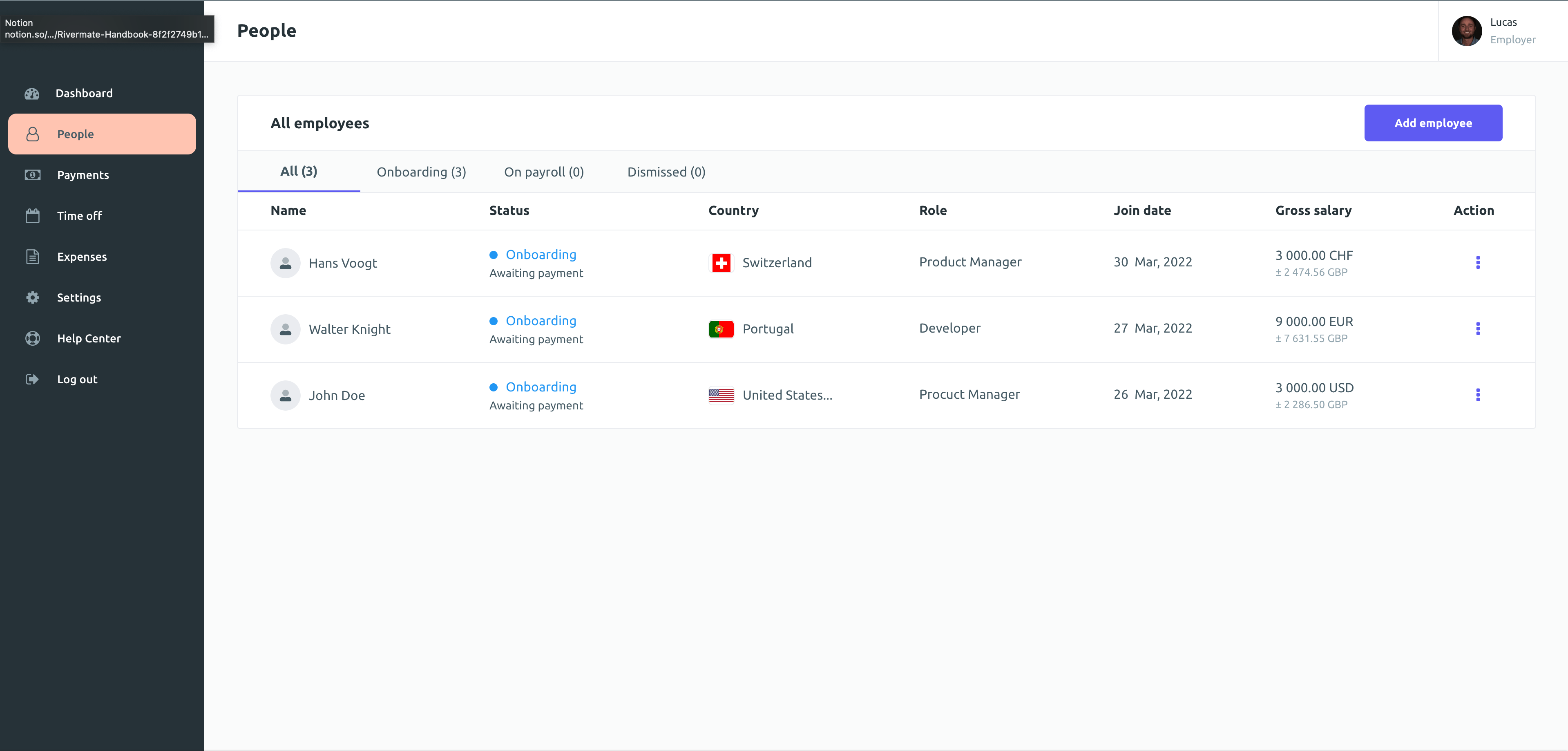
Platform overview: Rivermate has a focus on global hiring and onboarding, particularly for companies working with international employees and contractors. It supports compliant onboarding across different countries.
Key onboarding features: Rivermate helps manage contracts, compliance checks, and onboarding tasks for international hires. It simplifies cross-border onboarding by handling local requirements.
Pros
- Support for global teams
- Strong focus on compliance globally
- Useful for remote-first companies
Cons
- Less focus on broader HR features
- May be unnecessary for local-only teams
Who is it for: Rivermate is best for companies hiring employees or contractors in multiple countries.
Price: Pricing varies based on location and type of hire, with custom quotes available.
5. Rippling
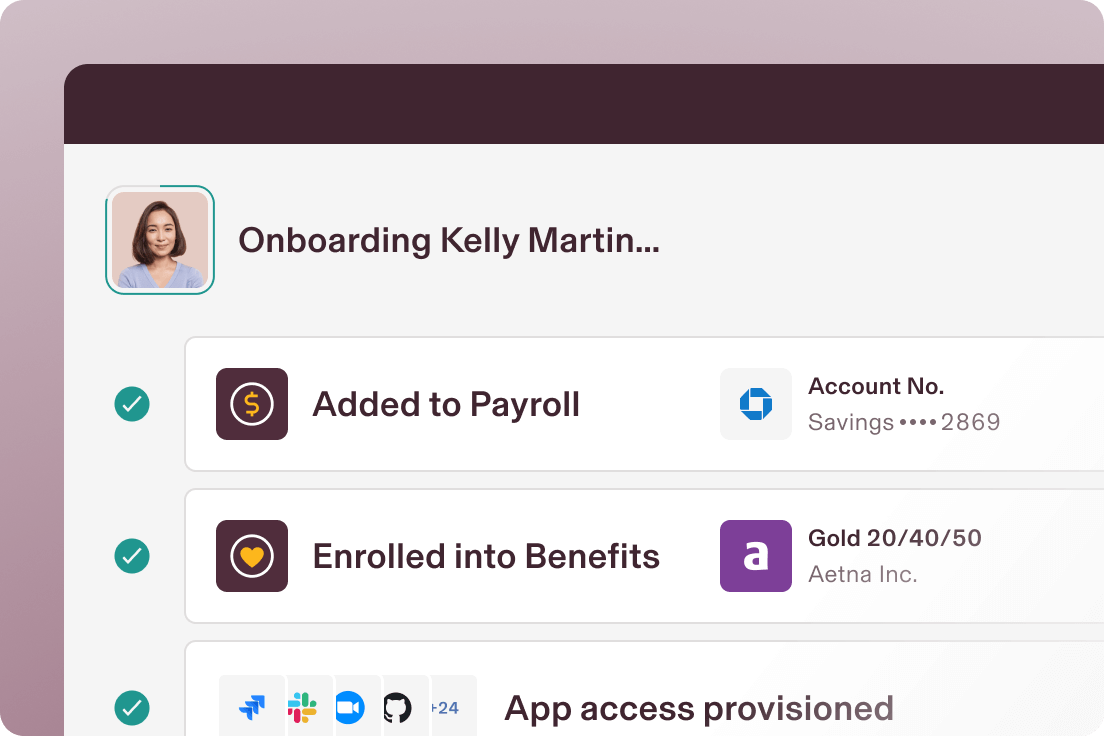
Platform overview: Rippling combines HR, IT, and payroll into a single platform. Its onboarding tools focus on automating account setup and system access for new hires.
Key onboarding features: Rippling allows HR teams to automate onboarding tasks across HR and IT, such as creating email accounts and granting software access. This reduces manual work and speeds up readiness.
Pros
- Strong HR and IT integration
- Automation across multiple systems
- Scalable for growing teams
Cons
- Can become expensive as features are added
- May have too many features for smaller teams
Who is it for: Rippling is suited to fast-growing companies that want to connect onboarding with IT and payroll processes.
Price: Rippling uses modular pricing, with costs increasing based on selected features.
What about AI-powered employee onboarding software?
AI is increasingly embedded in the best employee onboarding software platforms. Features now include automated document classification, intelligent task routing based on role and location, and AI-driven nudges that prompt new hires to complete outstanding steps. For UK businesses managing hybrid or distributed teams, AI-powered onboarding tools can personalise the experience at scale− adjusting content, timelines, and check-in frequency based on each new hire’s progress. When evaluating platforms, look for AI features that reduce HR admin rather than simply repackaging existing automation under a new label.
How does the best employee onboarding software compare? A 2026 platform overview
The table below provides a simple comparison of the top onboarding software solutions in 2026. It highlights one key feature, who each platform is best for, and general pricing information.
| Platform | One key feature | Best for | Price |
|---|---|---|---|
| Factorial | Automated onboarding workflows | Growing SMEs | From monthly per employee |
| ADP Workforce Now | Payroll and compliance integration | Large and complex organisations | Custom pricing |
| Zoho People | Customisable onboarding forms | Cost-conscious small businesses | Low-cost tiered plans |
| Rivermate | Global compliant onboarding | International and remote teams | Custom pricing |
| Rippling | HR and IT onboarding automation | Fast-growing tech-driven companies | Modular pricing |
This comparison shows how onboarding software solutions can meet very different needs. The right choice depends on your company size, hiring plans, and how closely onboarding needs to connect with other HR or business systems.
How to use employee onboarding software to grow your team effectively
Onboarding software solutions do more than help new hires get started. When used effectively, they can support long-term growth and help HR teams meet their performance goals.
- Standardise your onboarding process: Use onboarding software solutions to create clear, repeatable workflows. This ensures every new hire receives the same experience, even as hiring volumes increase.
- Automate repetitive HR tasks: Set up automatic task assignments, reminders, and approvals. This reduces manual work and allows HR teams to focus on people, not admin.
- Use employee self-service tools: Give new hires access to their onboarding tasks, documents, and policies in one place. This helps them take ownership of their onboarding and reduces common HR questions.
- Build UK compliance into every workflow: Ensure your onboarding software captures right-to-work verification, stores eVisa share codes, and tracks document expiry dates. The UK Government’s employer guidance (last updated July 2025) requires digital verification for all new hires with eVisa status. Platforms that automate compliance reminders reduce the risk of costly oversights.
- Connect onboarding with other HR processes: Platforms like Factorial link onboarding with time off, performance, and employee records. This creates a smooth transition from new hire to active team member.
- Track progress with reports and dashboards: Use onboarding data to monitor task completion, delays, and bottlenecks. These insights help HR teams improve processes and meet key HR KPIs.
- Support remote and hybrid employees: Onboarding software solutions allow new hires to complete tasks from anywhere. This ensures a consistent experience regardless of location.
- Scale without losing quality: As your team grows, onboarding software helps maintain structure and clarity without increasing HR workload.
The data supports investing in this approach. Companies that automate onboarding tasks see up to a 16% increase in retention and can reduce the onboarding timeline by five days, while using e-signature tools alone can save 40 hours per month for companies with around 100 employees. For remote and hybrid teams, structured digital onboarding is not optional — it is the primary mechanism through which new hires build connection, clarity, and confidence.
Why Factorial is essential for your business
Factorial connects onboarding, offboarding, and everyday HR processes in one system. This allows HR teams to manage the full employee lifecycle without switching tools or duplicating work.
When employees join, move roles, or leave the company, Factorial keeps all tasks, documents, and approvals organised in one place. This reduces errors, supports compliance, and ensures no steps are missed at any stage.
Onboarding also links directly to ongoing HR processes such as time off, performance tracking, and employee records. As a result, new hires move smoothly from onboarding into active roles, and HR teams maintain clear visibility across the workforce.
By managing onboarding and offboarding together, Factorial helps businesses stay organised as they grow and ensures consistent HR processes from start to finish. Request a demo now to see how Factorial can help your organisation!
Disclaimer:
The information presented on this page is based on publicly available sources. The comparisons between Factorial and other providers are intended solely for the illustration of the respective software features, pricing, and functionalities. All information regarding features, prices, and integrations may be subject to change without prior notice. Factorial assumes no liability for the accuracy, completeness, or timeliness of the information presented. We recommend contacting the respective providers directly to obtain the most accurate and up-to-date information. All applicable legal regulations regarding fair advertising and competition law are fully observed by us. If you have any concerns, please reach out to us. The comparisons presented do not constitute a final evaluation or recommendation for any provider, but serve solely as an informational source.
FAQs about employee onboarding software
What is the best onboarding software?
The best onboarding software automates tasks, manages documents, and creates a consistent experience for new hires. Factorial, an all-in-one business management software, is ideal for growing businesses as it integrates onboarding with wider HR processes like time off and performance on a single, easy-to-use platform.
What is the best employee onboarding software for small businesses in the UK?
For small and medium-sized businesses in the UK, the best employee onboarding software combines ease of use, built-in compliance features, and integration with core HR processes. Factorial is designed specifically for growing SMEs, offering automated onboarding workflows, e-signatures, document storage, and a self-service portal− all in one platform. It connects onboarding directly to time off, performance, and employee records, so new hires move smoothly into active roles without additional admin overhead.
What features should I look for in employee onboarding software?
The most important features include: automated task workflows, electronic signatures, secure document storage, a self-service portal for new hires, right-to-work compliance tracking (critical for UK employers), and integration with payroll and HR records. Reporting dashboards that show task completion rates and onboarding bottlenecks are also valuable for continuous improvement.
How to improve the onboarding process for employees?
To improve your onboarding process, standardise workflows for consistency and automate repetitive administrative tasks. Providing new hires with a self-service portal where they can access documents, sign contracts, and complete tasks helps create a smoother, more engaging experience from day one.
How does employee onboarding software improve retention?
Structured onboarding directly reduces early turnover. Research shows that only 12% of employees strongly agree their organisation does a great job onboarding new hires, and that organisations with strong onboarding processes improve new hire retention by 82%. Software helps by ensuring every new hire receives the same high-quality, consistent experience regardless of their role, location, or start date.
Is employee onboarding software suitable for remote and hybrid teams?
Yes. The best employee onboarding software for remote teams allows new hires to complete all tasks digitally — from signing contracts to uploading documents and accessing training materials — before their first day. This is especially important for UK businesses with distributed workforces, where face-to-face support may be limited. Platforms like Factorial support preboarding workflows that keep remote new hires engaged and informed from the moment their offer is accepted.
What are the UK compliance requirements I need to manage during onboarding?
UK employers must conduct right-to-work checks for every new hire before their start date. Since October 2024, physical Biometric Residence Permits (BRPs) are no longer valid for these checks. Workers must now prove their immigration status through a UK Visas and Immigration (UKVI) online account linked to an eVisa. According to Gov.uk, employers who fail to comply face fines of up to £60,000 per worker. Onboarding software that integrates compliance tracking and document expiry alerts helps HR teams stay on top of these obligations automatically.