Choosing the best employee performance appraisal software can make a big difference to how your managers run appraisals and how your people grow at work. When you pick a tool that fits your business, you discover it brings many benefits that directly impact your daily work, like saving time and doing less admin. This way, you have more time to make the feedback given during appraisals more useful for everyone.
In this guide, you will learn what employee performance appraisal software is, why you need it, key features to look for, and how to compare popular tools in 2026. We will take a close look at each of these platforms to understand how their features and workflows help UK businesses manage performance appraisals in a simple way. By the end of our guide you should be able to understand the difference between each platform so you can choose the right one for your organisation.
What is Employee Performance Appraisal Software
Employee performance management software is a digital tool that helps you run performance appraisals across your company, starting with planning appraisals all the way to tracking them and creating a report on the results. It replaces spreadsheets and email threads with one central place where you can see the goals you set, feedback given, and other tools and forms for employee appraisal.
Most staff appraisal software allow HR teams and managers to set up review cycles, send forms, collect answers, and track completion in real time. They often connect performance reviews with goals, competencies, and overall employee performance so you see the full picture in one system.
A good tool should make the appraisal process clear for managers and employees so they know what to do and when to do it. It should also make it easy to keep records for compliance and show fair, consistent decisions over time.
Why You Need Employee Performance Appraisal Software
If you still run appraisals with Word documents and emails, you know how slow and confusing it can be. Performance appraisal software helps you bring structure to reviews so they happen on time and follow the same steps for everyone.
Key reasons businesses invest in appraisal software include:
- Save HR and managers time by automating reminders and workflows
- Give employees clearer feedback linked to goals and skills
- Store performance data securely in one system
- Support fair decisions on promotions, pay, and performance improvement plans
With the right tool, you can connect reviews to your wider performance management strategy so you are not just rating people once a year but supporting continuous performance management all year round. This makes it easier to spot underperformance early and give people support before issues grow.
Features To Look For in Employee Performance Appraisal Software
Not all platforms work the same way, and some are better for certain business sizes or sectors. Before you choose a tool, it helps to know which features matter most for your team.
Important features to look for include:
- Flexible review cycles: Set annual, biannual, or quarterly cycles, plus project-based or probation reviews.
- Custom templates and questions: Build forms that match your roles, competencies, and company values.
- 360-degree feedback: Collect input from managers, peers, and sometimes external partners for a fuller view.
- Goal and OKR tracking: Link review scores and comments to objectives and key results so performance is tied to real outcomes.
- Analytics and reports: See trends in scores, completion rates, and engagement so you can improve your process over time.
- Integrations: Connect with HRIS, payroll, and collaboration tools like Slack or Microsoft Teams to keep data aligned.
- AI features: Some tools now offer AI to write performance reviews or suggest phrases based on manager input, which can save time and even reduce bias.
When you compare tools, focus on the features you will actually use in the next one to two years. A simple, easy-to-use system your managers like is often more valuable than a complex tool with many features you won’t even put to use.
Appraisal Software Comparison Chart
In a hurry? Here is a high-level overview of ten popular performance appraisal software tools used by UK and global businesses in 2026.
| Software | Best for | Main features | Starting price* |
|---|---|---|---|
| Factorial | Small to mid-sized companies | Performance reviews, goals/OKRs, 360 feedback, AI support, workflows, integrated HR suite | From £5.4 per employee per month for core plan |
| Lattice | Mid-sized to enterprise | Highly configurable reviews, OKRs, 1:1s, engagement, compensation-linked performance | From $13 per user per month |
| Leapsome | Mid-sized | Reviews, OKRs, engagement, learning, competency frameworks | Pricing not available |
| 15Five | Small to mid-sized teams | Check-ins, reviews, goals, manager coaching tools | From about $4 per user per month for basic plan |
| Culture Amp | Large companies | Performance reviews, goals, engagement surveys, advanced analytics | Pricing not available |
| PerformYard | Small to mid-sized | Custom review cycles, 360 feedback, goal tracking | Between $5-10 per person per month |
| Sage HR | Small businesses and SMEs | Basic reviews, goals, absence management, HR records | From £9.00 per employee per month |
| PeopleGoal | Small to mid-sized teams | Appraisals, OKRs, feedback workflows, simple HR processes | From $4 per employee per month |
| StaffCircle | Mid-sized | Reviews, goals, engagement, recognition tools | Pricing not available |
| PeopleHR | Small to mid-sized UK businesses | HR platform with performance appraisal software, reviews, and HR records | From £3 per employee per month |
*Pricing is subject to change. Always consult the official page of the vendor before making a purchase.
You can use this chart to narrow your shortlist based on the size of your team, budget, and whether you need an all-in-one HR platform or a tool specifically for performance appraisals. Then you can review each option in more detail with demos and trials.
Top Employee Performance Appraisal Software (List)
Below is an overview of popular employee performance appraisal software tools for 2026. These platforms help you run reviews more smoothly and make the process easier for everyone involved.
1. Factorial

Overview: Factorial is an all-in-one HR platform designed for small and mid-sized businesses, with strong tools for managing performance reviews alongside core HR processes like time tracking, holidays, and documents. Its performance module supports review cycles, 360 feedback, goals and OKRs, and AI-powered workflows that help teams run appraisals more smoothly.
You can create custom templates, link reviews to objectives, and see completion status in real time, all from a clean dashboard. For UK teams that want performance features inside a wider HR system rather than a stand-alone tool, Factorial is the perfect choice.
Pros
- User reviews highlight several strengths:
- Easy-to-use interface with a clear dashboard and simple navigation
- Flexible performance review cycles that work well for growing companies
- Built-in HR features (time off, document management, payroll exports) alongside performance tools
- Good fit for European businesses with strong data protection and compliance focus
- Helpful customer support and onboarding for new users
Cons
- Performance analytics are less deep than in some specialist enterprise performance tools
- Advanced calibration workflows and complex compensation-linked ratings may require another system
- Some features can take time to configure for more complex organisations
Price
Factorial starts from £5.4 per employee per month for the core plan. Request a personalised demo to learn more about the platform and get a quote tailored to the needs of your organisation.

2. Lattice

Overview: Lattice is a platform focused on performance reviews, OKRs, engagement surveys, and compensation management, often used by mid-market and enterprise companies. It offers configurable review workflows with 360 feedback, calibration, and strong links between performance and pay.
Pros
- Very flexible review cycles with multi-stage workflows
- Strong OKR and goal management with visual alignment
- Integrated compensation reviews and engagement surveys
Cons
- Higher price when you add several modules
- Does not have HRIS since phasing out
- Can feel complex for smaller or less technical teams
Price
Starts from $13 per user per month.
3. Leapsome

Overview: Leapsome is an all-in-one people enablement platform combining performance reviews, engagement surveys, OKRs, learning, and compensation for mid-market organisations. It is known for strong support of competency frameworks and built-in learning paths linked to performance.
Pros
- Flexible review cycles with custom templates and 360 feedback
- Real-time OKR alignment and visual goal trees
- Built-in learning and competency frameworks
Cons
- Can be complex to configure
- Cost increases as you add more modules
Price
Pricing not available without a quote.
4. 15Five

Overview: 15Five focuses on creating a coaching culture with regular check-ins, goals, and performance reviews. It is often chosen by smaller teams that want to build habits around feedback and one-to-one meetings.
Pros
- Affordable entry plan for surveys and check-ins
- Tools for regular feedback and coaching conversations
- Useful for building manager skills around performance discussions
Cons
- Full performance plan can be high cost for very small teams
- May be more than you need if you only want simple annual reviews
Price
Starts at about $4 per user per month for the basic plan.
5. Culture Amp

Overview: Culture Amp is known for employee experience and engagement research, with performance and goals features added for a more complete people platform. It suits organisations that want strong survey analytics alongside reviews.
Pros
- Advanced engagement and survey analytics
- Integrated performance reviews and goals
- Strong support and guidance for larger contracts
Cons
- Pricing can be complex and often custom
- May feel too heavy for small businesses just starting with reviews
Price
Pricing not available without a quote.
6. PerformYard

Overview: PerformYard is a dedicated performance management tool used by organisations that want flexible review cycles, goal tracking, and strong reporting without a full HR suite. It supports annual and continuous review processes, custom templates, goals, and 360 feedback.
Pros
- Flexible review cycles that can match different performance management strategies.
- Clear goal cascade features that link individual goals to business objectives.
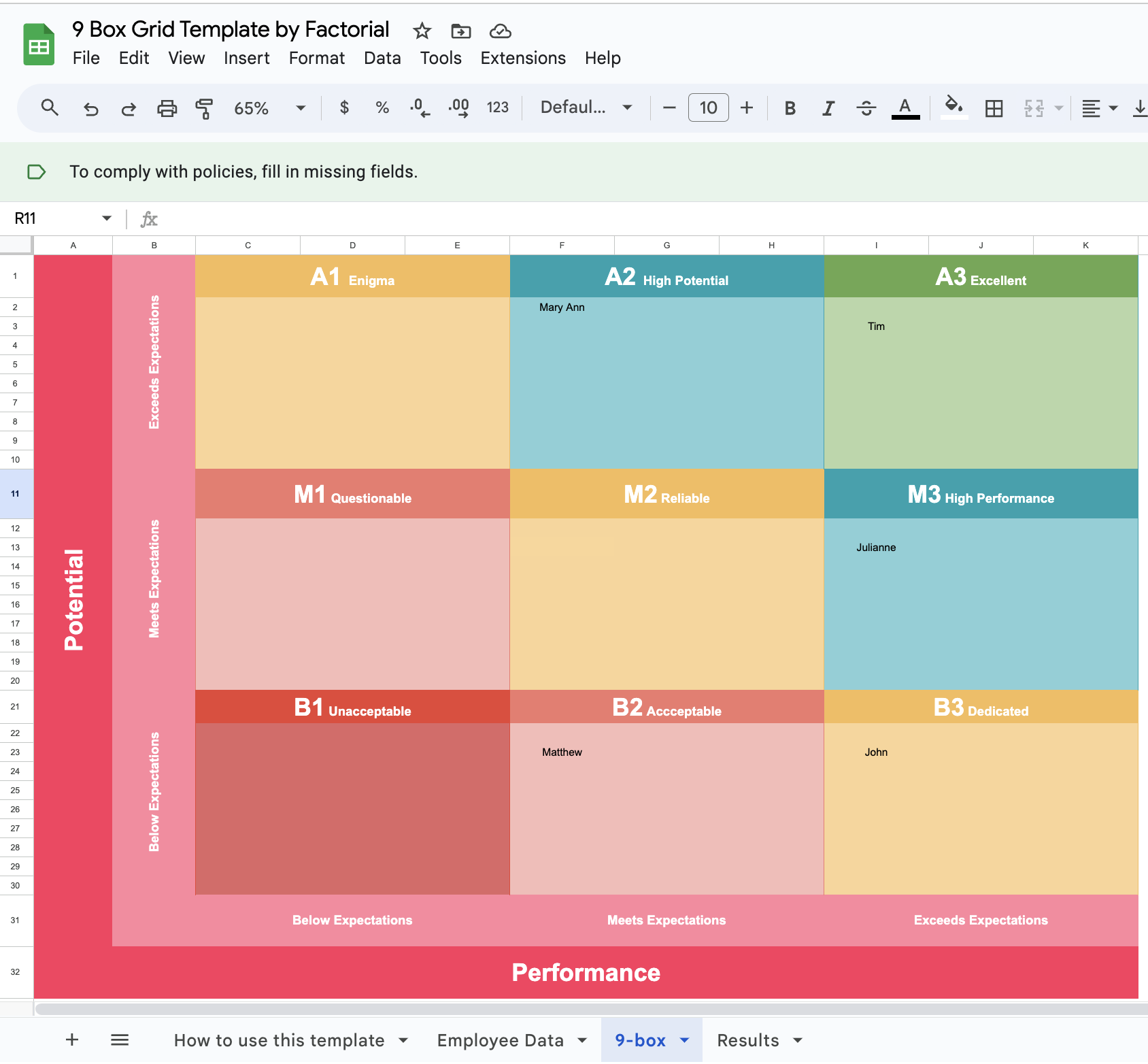
- Strong reporting, including dashboards and a nine-box grid view for talent decisions.
Cons
- Focused mainly on performance, so HR teams may still need a separate HRIS.
- Some users find reporting setup less intuitive at first.
Price
Public sources show pricing starting at about $5 per user per month, on a per-employee basis.
7. Sage HR

Overview: Sage HR offers HR tools for small businesses and SMEs, including basic performance review features alongside absence management and core HR records. Its performance tools suit companies that want simple appraisals inside a wider HR system.
Pros
- Good fit for small UK businesses already using Sage for HR and payroll.
- Simple review workflows with basic goals and feedback.
Cons
- Less advanced analytics and 360 feedback than specialist performance tools.
- Limited flexibility for complex or multi-step review cycles.
Price
Pricing not available without a quote.
8. PeopleGoal

Overview: PeopleGoal is a flexible platform that helps small and mid-sized teams run performance appraisals, OKRs, and feedback workflows. It focuses on simple, configurable processes rather than a heavy HR suite.
Pros
- Custom workflows for reviews and goals that can be tailored to your process.
- Useful for teams that want to define their own performance management steps.
Cons
- Fewer built-in HR modules than all-in-one platforms.
- May need more admin effort to design and maintain custom workflows.
Price
Pricing not available.
9. StaffCircle

Overview: StaffCircle is a UK-based performance management and employee engagement platform designed for growing organisations. It helps managers and HR teams run performance reviews, set goals, track progress, and manage recognition in one place.
Pros
- Built for UK organisations with a focus on performance, communications, and engagement.
- Supports review cycles, goals, feedback, and recognition so performance is linked to day-to-day work.
Cons
- May feel heavy if a company only wants simple annual appraisals.
- Some smaller businesses may not use all engagement and comms modules.
Price
Pricing not available without requesting a quote.
10. PeopleHR

Overview: PeopleHR is a UK-based HR software platform used by thousands of businesses, with built-in performance appraisal software for running structured reviews. It lets managers create and complete performance reviews inside the Employee Performance section, track progress, and store review records alongside wider HR data.
Pros
- Well-known HR and performance tool for UK businesses.
- Has built-in appraisal features so managers can run reviews and track employee performance in one place.
Cons
- Works best for small and mid-sized organisations rather than very large enterprises.
- If you need very advanced analytics or detailed talent-planning tools, you may need extra software alongside it.
Price
Starts from £3 per employee per month.
How to Choose Employee Performance Appraisal Software
Picking performance appraisal software is not just about features. It is about finding a tool your managers will actually use and that fits how your business works today and tomorrow. If the software is too complex or does not match your process, it will sit on the shelf and your reviews will still happen in Word and Excel.
A simple way to choose the right tool is to break the decision into a few clear steps:
Start with your goals
Decide what you want to fix or improve. Do you need reviews to happen on time, better quality feedback, clearer goals, or closer links between performance and pay? When your goals are clear, it is easier to see which tools are a good fit.
Look at your current process
Map out how you run appraisals now. Who is involved, how often they happen, and what forms you use. This helps you check whether a platform can support your real workflow, not just the “ideal” one in a demo.
List your must-haves
Write down the features that really matter for your team. For example: 360 feedback, simple templates, AI support for writing reviews, goal and OKR tracking, or a competency-based approach to performance management. Try to keep the list short so you focus on what you will use.
Think about data and compliance
For UK businesses, it is important to check where data is stored, how access is controlled, and how long performance records are kept. Make sure the tool supports GDPR and gives HR clear control over who can see what.
Test how easy it is to use
Ask a few managers and employees to try the system in a small pilot. If they can set up or complete a review without much training, that is a good sign. If they struggle with basic tasks, you may face adoption problems later.
Check support and future plans
Read reviews and ask the vendor about onboarding, training, and ongoing support. It also helps to know what they plan to develop next, so you can see if the product will grow with your performance management strategy.
When you follow these steps, it becomes easier to compare tools side by side and choose a system that will support you long term. A good platform should help you move towards continuous performance management, make it simpler to handle underperformance, and give you useful data for decisions like promotions or talent planning, without adding more admin for HR.
Run appraisals with Factorial
When you choose the right employee performance appraisal software, reviews stop feeling like a yearly admin task and start becoming a simple, useful part of everyday work. The aim is not just to store forms, but to make feedback clearer, goals more visible, and decisions more consistent across your business.
Factorial helps you do this by bringing performance reviews, goals, HR data, and AI-powered workflows into one platform. Its AI support can make it easier for managers to prepare reviews, follow a clear process, and keep cycles moving without chasing people manually. For UK teams that want a practical system rather than a complex setup, this combination of HR tools, performance features, and AI can make appraisals smoother for everyone.
Disclaimer: The information presented on this page is based on publicly available sources. Comparisons between Factorial and other vendors are intended solely to illustrate the features, pricing, and characteristics of each software. All information related to features, pricing, and integrations is subject to change without notice. Factorial assumes no responsibility for the accuracy, completeness, or timeliness of the information presented. We recommend contacting the relevant vendors directly to obtain the most accurate and up-to-date information. All applicable fair advertising and competition law standards are observed; for any questions, please feel free to contact us. The comparisons presented do not constitute a definitive evaluation or a recommendation of any vendor; they are intended solely as a source of information.