Key Facts: HR Audit at a Glance
- An HR audit is a structured, objective review of an organisation’s HR policies, practices, and procedures to assess legal compliance and operational effectiveness.
- According to the CIPD’s Health and Wellbeing at Work 2026 report, UK employees averaged 9.4 sick days per year — the highest level recorded since 2010 — underscoring the cost of unaddressed workforce health issues that a regular HR audit can surface.
- 55% of UK employers expect workplace conflict to increase as a result of the Employment Rights Act 2025, making compliance auditing more urgent than ever.
- Organisations that conduct annual HR audits are better positioned to identify policy gaps before they become tribunal claims— single employment tribunal claim receipts rose 60% between 2026/23 and 2026/26, according to the Ministry of Justice.

Table of Contents
- HR Audit Overview
- What Are the Benefits of an HR Audit?
- How Should You Plan an HR Audit?
- How Do You Carry Out an HR Audit Step by Step?
- What Should an HR Audit Checklist Template Include?
HR Audit Overview
HR audits are structured self-evaluations that examine your HR team’s functions, processes, and compliance posture. By conducting HR audits, you’re proactively ensuring compliance with regulations and avoiding exposing your company to legal risk or hefty fines. Typically, HR audits will analyse current processes and determine if your company’s training, onboarding and recruitment workflows are up to date. This includes analysing if your core processes are meeting your current and future needs. Additionally, these audits serve to shed some light on essential HR metrics like turnover rate and time to hire. This way, you have the big picture of how effectively your HR team is performing and if they are aligned with your organisation’s goals.
Ultimately, a clear HR audit process gives you valuable insights into your company’s overall performance and highlights areas for improvement. Using templates or HR software simplifies the audit process and gives structure to your review.
What Are the Benefits of an HR Audit?
It can be easy to get caught up in the hamster wheel of daily tasks and push back projects with longer-term benefits like HR audits. However, a human resources audit can improve the efficiency of those day-to-day processes, saving you time in the long run.
Whether the focus lies on policies or performance, a yearly review of your HR uncovers problems and challenges that exist within the department. Evaluating these issues allows your company to improve and reduces the risk of litigation. It will also positively affect employer brand, as your workforce and potential candidates will see you taking an active role in bettering working conditions. An HR audit process can also have the following impacts.
Keep you compliant
Lawsuits are a significant fear for any HR team, especially considering that employment laws are constantly evolving. An HR audit ensures you have up-to-date policies in line with legal frameworks like GDPR and labour laws, helping you avoid penalties and litigation risks.
Refine office policies
An HR audit means holding up a magnifying glass to the processes and workplace policies that directly impact your employees, raising an opportunity to improve the employee experience and employee safety. Improving company policies and clarifying your employee handbook will help to attract and retain top talent.
Create an opportunity to collect data
To carry out an HR audit, you’ll need to gather data on HR performance and the overall HR function. This can help HR departments to identify areas they may have overlooked and make their planning more strategic.
Using an HR audit checklist gives you a place to record and centralise this. People teams in the UK seem to already be aware of the importance of metrics. Research has shown that UK companies are more likely to gather and utilise people data compared to many other European countries.
Improve financial fairness
During a typical HR audit, compensation and benefits come under the microscope. This allows HR professionals to evaluate average salary and ensure employees are compensated fairly.
Reveal HR inefficiencies
Research has shown that UK employees spend less than half of their working time on productive tasks, with a lack of standard processes cited as a leading cause. The CIPD’s 2026 report reinforces this picture. UK employees averaged 9.4 sick days per year — the highest level in over 15 years — pointing to systemic workforce management gaps that a structured HR audit can help address.
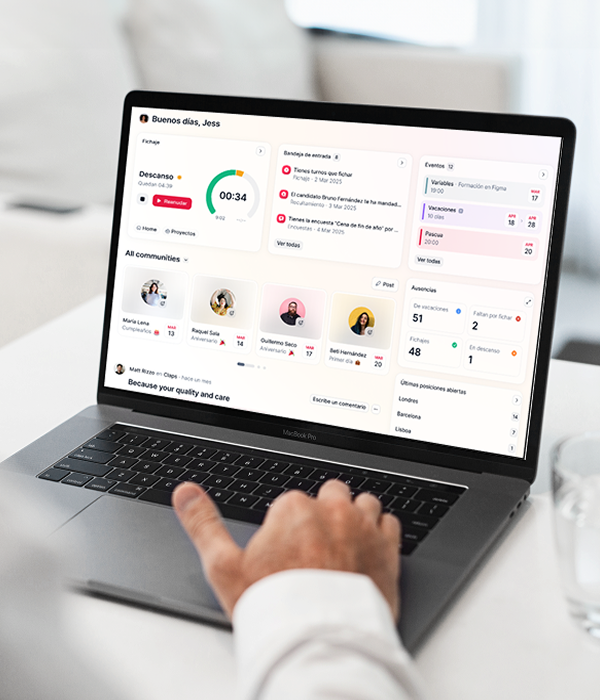
Research indicates that a significant proportion of organisations require staff to use multiple disconnected HR systems, creating friction and reducing productivity.
Boost company culture
Part of employee well-being is rooted in how much they feel they are being valued. When employees see their company leaders paying attention to the needs of current employees and how to improve their day-to-day, it can strengthen company culture and your organisational reputation.
Why UK Employers Cannot Afford to Skip an HR Audit in 2026
The compliance stakes for UK employers have never been higher. The Employment Rights Act 2025 — the most significant overhaul of UK employment law in a generation — introduces new day-one rights, expanded unfair dismissal protections, and strengthened trade union access, with key provisions rolling out through 2026 and 2027. 55% of UK employers expect workplace conflict to increase as a direct result of these changes. Meanwhile, single employment tribunal claim receipts rose approximately 60% between 2026/23 and 2026/26, according to the Ministry of Justice. An annual HR compliance audit is the most practical mechanism for identifying policy gaps before they become costly claims.

How Should You Plan an HR Audit?
Although there are many different ways in which companies can use HR audits, most assessments follow the same structure. The human resource audit consists of three parts:
Pre-audit
During this phase, you will have to collect data. This information can be quantitative or qualitative, depending on the point of interest.
Data analysis
Here you will assess the relevant information such as processes, procedures, policies, documents, and data.
Reporting
This should contain your findings and recommendations which will help improve the Human Resources function as best as possible.
Considering the time and effort you need to invest in a full-scale assessment, performing one human resource audit yearly is advisable. When you make an assessment, you can choose to focus on the following areas:
- Recruitment and hiring practices
- Onboarding
- Management
- Training and Development
- Employee Relations
- Performance
- Strategic Planning
- Documentation
- Best Practices
- Compliance with Laws and Regulations
In the current UK legislative environment, any HR audit should also include a dedicated review of the following compliance areas:
- Right to Work checks — employers must verify documentation before employment begins. Non-compliance carries fines of up to £20,000 per illegal worker under current Home Office rules.
- Employment contracts — all employees must receive a written statement of particulars on or before their first day of work, under the Employment Rights Act 1996 (as amended).
- Payroll compliance — confirm that all workers receive at least the National Living Wage, that holiday pay is correctly calculated for part-time and irregular-hours staff, and that statutory sick pay is applied at the correct rate.
- Disciplinary and grievance procedures — policies must align with the ACAS Code of Practice to reduce tribunal exposure.
- Data protection — HR data handling must comply with UK GDPR. A breach can result in fines of up to 4% of global annual turnover or £17.5 million, whichever is higher.
You might also want to look into an HRIS. An HR reporting tool like Factorial allows you to gather deep insights on each of these organisational aspects in one place. This allows you to make well-informed, data-based decisions regarding your organisation.
How Do You Carry Out an HR Audit Step by Step?
Organisations should be realistic when it comes to how long their HR audit process will take. HR teams must commit sufficient time and attention to audit checks to get into the details of each HR process. Starting with an HR audit checklist provides a framework for your review and keeps a written record of findings and changes to support further audits down the line.
Internal vs. external auditors
Before beginning, decide who will conduct the audit. Internal HR professionals bring institutional knowledge and existing relationships, making them well-suited for routine annual reviews. An external auditor offers independence and specialist expertise — particularly valuable when auditing sensitive areas such as pay equity, disciplinary practices, or senior management conduct. For most UK SMEs, a hybrid approach works well: internal teams lead the data-gathering phase, while an external HR consultant reviews findings for objectivity.
Here are a few crucial steps to follow when carrying out your own audit:
Step 1: Establish the Purpose and Scope of the Audit
Before beginning an HR audit, it is essential to establish the objective of the audit. The purpose of the audit should align with the organisation’s overall goals and objectives. For example, the audit may be conducted to identify areas of improvement in the performance appraisal process, employee retention, employee benefits, or any other area human resources are responsible for.
The audit scope should be clearly defined, and the areas to be audited should be identified. These may include HR policies and procedures, employee files, compensation and benefits, employee training and development, Right to Work documentation, payroll compliance, and alignment with the Employment Rights Act 2025 and other applicable UK employment laws.
At this point, you should also create a timeline with milestones. Remember to regularly check in on this and hold people accountable for their assigned areas!
Step 2: Gather Information
The next step is to gather information about the HR department and its processes. This information can be obtained through interviews with HR staff, review of HR policies and procedures, and examination of employee files and other relevant documents. HR software can support you here, as employee data and KPIs related to your workforce can all be accessed from one place.
Use an HR audit checklist to remind you of the details you need to collate and centralise the data you collect.
Step 3: Analyse the Information
Once the data has been gathered, it is time to dissect it! The analysis should focus on identifying areas of strength and weakness within the HR department. This may include identifying areas where company policies need to be updated, areas where compliance issues exist, and areas where employee satisfaction can be improved.

Step 4: Develop an Action Plan
Based on the analysis results, an action plan should be created. The action plan should prioritise the areas that need to be addressed and identify the steps that need to be taken to improve the HR department. It should also include timelines and responsible parties for each step. Accountability is key to the progress of a review!
Step 5: Implement the Action Plan
The final step is to put everything into practice! This may involve updating procedures, training HR staff, and improving communication with employees. It is important to monitor progress and make adjustments as necessary.
What Should an HR Audit Checklist Template Include?
Using a checklist will help you to stay organised and efficient throughout the auditing process. This list contains detailed questions that apply to the different areas of HR and is typically a couple of pages long. You can make it easier to complete by dividing the audit into smaller assessments and questions. It’s up to you whether you want to use a “yes” or “no” format to answer the questions or allow a more detailed answer.
Our HR audit checklist template provides a solid starting point for your review. It specifically focuses on onboarding, recruitment, and HR management – three areas that directly impact employee relations and HR professionals daily!
Types of HR Audit
| Audit Type | Primary Focus | Typical Trigger |
|---|---|---|
| Compliance audit | Alignment with employment law, GDPR, Right to Work | Legislative change, new hire surge |
| Best-practice audit | Benchmarking processes against industry standards | Strategic review, low engagement scores |
| Function-specific audit | Deep look at one area (e.g. recruitment, payroll) | High turnover, payroll errors |
| Strategic audit | Alignment of HR strategy with business goals | Business restructure, M&A activity |
| Culture and wellbeing audit | Employee experience, absence, and engagement data | Rising absence rates, culture concerns |
According to SHRM’s HR audit framework, most organisations benefit from rotating focus across these types on a three-year cycle, ensuring every area receives thorough scrutiny without overwhelming the HR team in any single year.
Digitalise your HR Audit Process with Factorial
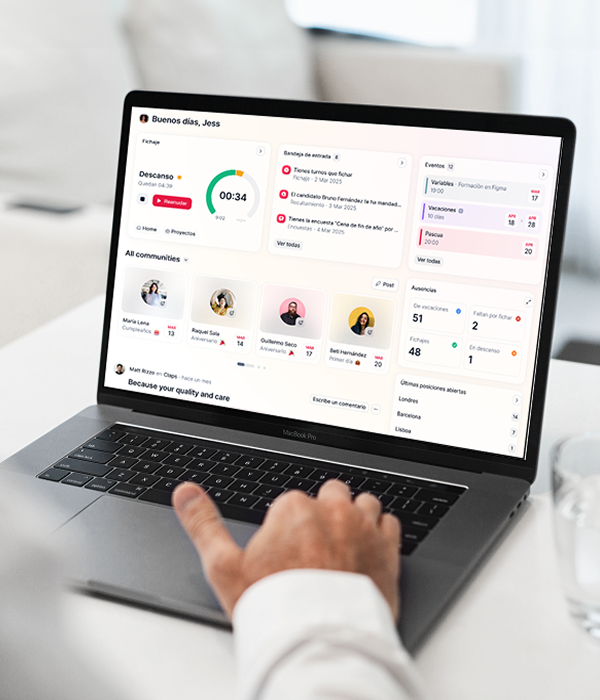
If you’re looking for a digital solution, Factorial’s all-in-one business management platform is the tool for you. It centralises your employee data and provides real-time reporting to make HR audits faster, more accurate, and audit-ready year-round — particularly valuable as UK employers prepare for the compliance demands of the Employment Rights Act 2025. Rather than juggling multiple spreadsheets, checklists, and templates, you can access everything you need in one place. Fortunately, with Factorial, you can receive automated reminders to update policies or review workflows, making your team audit-ready year-round. Transform your HR audit process from a dreaded annual task to a strategic and structured process that drives growth. Book a demo with an HR consultant to see how Factorial can simplify your next HR audit.
Staying Ahead: HR Audit Frequency and Triggers
Annual HR audits are the recommended baseline for most UK organisations. However, CIPD guidance also advises scheduling an additional review after major business events — such as rapid headcount growth, a shift to hybrid working, a restructure, or a significant change in employment law. With the Employment Rights Act 2025 introducing rolling changes through 2026 and 2027, many UK HR teams are treating 2026 as a year for more frequent, targeted compliance checks rather than a single annual review.
FAQ
What are the 7 steps in the audit process?
An HR audit involves defining the audit’s purpose and scope, gathering and analysing relevant data, and then developing a prioritised action plan. Key steps also include creating a timeline, assigning responsibilities for action items, implementing the plan, and monitoring progress to ensure improvements are made.
What should be included in an HR audit?
A complete HR audit covers seven functional areas: staffing and recruitment, compensation and benefits, training and development, employee relations, performance management, health and safety, and compliance. This includes reviewing documentation like employee handbooks and recordkeeping to ensure they meet current legal standards.