HR teams have a huge amount of data at their disposal. Absence records, performance reviews, engagement surveys, pay information and turnover figures are all stored somewhere. Yet many organisations still rely on instinct, spreadsheets or delayed reports when making decisions, and worse, many teams do not take advantage of this information and the role insights gleaned from the analysis of this data can play in improving the workflows of their organisation. This gap between analyzing the data and taking action is where people analytics software plays a vital role.
People analytics software brings together workforce data and turns it into insights that HR teams and managers can actually use. Instead of reacting to problems after they happen, organisations can spot trends early, test ideas, and make decisions based on evidence rather than assumptions. For organisations facing skills shortages, rising absence levels and pressure to do more with less, this matters more than ever.
In this article, we will explain what people analytics is, how it works in practice, and why a people analytics platform can help HR teams improve productivity, wellbeing and fairness at work. We will also explore how HR & business management software supports better reporting, clearer KPIs and faster decision making across the organisation.

Why people analytics matters for UK organisations
People analytics, also known as HR analytics or workforce analytics, involves the process of gathering and analyzing HR data in order to enhance an organisation’s performance. This will enable HR managers to make more informed business decisions based on real people data. In the modern business world, it’s highly recommended companies use people data in order to improve productivity in the workforce, retain employees, reduce turnover and ultimately create a healthy, motivated work environment.
UK employers are under growing pressure. Skills shortages remain high, absence linked to stress and poor mental health has increased, and many organisations are still adjusting to hybrid and flexible working models. At the same time, HR teams are expected to prove the impact of their work with clear data.
People analytics helps bring visibility to these challenges. By analysing absence trends, workload distribution and labour turnover rates, HR teams can identify issues earlier and act before they become costly problems. For example, if absence levels rise steadily in one role or location, people analytics software can flag this pattern and prompt a deeper review of working conditions or management practices.
People analytics also supports better manager effectiveness. Data on team engagement, performance reviews and retention can highlight where managers may need additional training or support. Rather than relying on annual surveys alone, organisations can monitor changes over time and measure whether interventions are working.
The Chartered Institute of Personnel and Development notes that using analytics to inform practice is becoming a core part of the people profession. Many HR professionals now have responsibility for HR systems or people analytics, even if they are not data specialists. As tools become more user friendly, people and technology are meeting halfway. HR teams can build confidence in data without needing advanced statistical skills.
In a tight economic climate, every people decision counts. People analytics software helps UK organisations move from reactive HR to evidence-based decision making that supports productivity, wellbeing and fairness.
The different types of people analytics
People analytics is not just one activity. It includes several types of analysis, each helping HR teams understand their data in a different way. Knowing these types makes it easier to ask the right questions and use data more effectively.
Descriptive analytics
Descriptive analytics shows what has already happened. It answers basic questions such as how many employees left last year, what the absence rate is, or how many people completed training. This type of analysis is the starting point for most HR teams.
For example, a report showing headcount, turnover and absence by department is descriptive analytics. It helps organisations understand the current state of their workforce.
Diagnostic analytics
Diagnostic analytics looks at why something happened. It compares different data points to find patterns. For example, HR might check whether high absence is linked to overtime, workload or specific teams.
This type of analysis often looks at correlation. This means two things appear to be connected, but it does not always mean one causes the other. People analytics platforms help make these patterns easier to see and explain.
Predictive analytics
Predictive analytics uses past data to estimate what may happen in the future. It can help organisations spot risks early, such as rising turnover or skills gaps.
For example, predictive analytics can show which roles are more likely to see employees leave soon. This gives HR teams time to act before problems grow.
Prescriptive analytics
Prescriptive analytics focuses on what action to take next. It uses data to suggest the best options based on likely outcomes.
This type of analytics is more advanced, but people analytics software makes it easier to use. The aim is not just to understand data, but to make better decisions that improve results for both employees and the business.
People analytics, data quality and ethics
People analytics only works if the data behind it is accurate and easy to access. HR data can often be messy, stored in different systems or left in spreadsheets. This makes reporting harder and insights less reliable. Using a single people analytics platform helps bring all this data together and ensures reports are consistent and up to date.
Trust is also important. People analytics should help people, not make them feel watched. Employees should know what data is collected, why it’s used and how it supports better decisions in the workplace. Clear communication and transparency build confidence and reduce concerns about monitoring.
HR teams need the right skills to interpret data and draw good conclusions. Tools that automate reporting and highlight trends make it easier for HR and managers to understand what the data is telling them. For teams who want to go further, the free People Analytics Report offers deeper insights into how other organisations use data to improve productivity, engagement and performance.
How people analytics software supports HR teams
People analytics software helps HR teams turn complex data into clear insights without relying on manual spreadsheets or specialist analysts. It brings together information from across the employee lifecycle and presents it in a way that is easy to understand and act on.
One of the biggest benefits is visibility. HR teams can track absence patterns, overtime, turnover and engagement in real time. This makes it easier to spot early warning signs, such as rising absence in one team or increased workload across a department. Acting early helps protect productivity and employee wellbeing.
People analytics software also saves time. Automated dashboards and reports reduce the need for manual data collection and repetitive reporting. HR teams can spend less time preparing numbers and more time working with managers to improve outcomes.
Another key benefit is consistency. When everyone uses the same data source, conversations about performance, resourcing and wellbeing are based on facts rather than opinions. This builds trust in HR data and supports better decision making across the organisation.
Modern platforms are designed for non-technical users. Clear charts, filters and summaries make it easier for HR professionals and managers to explore data without advanced analytics skills. This helps data become part of everyday decision making, not just an annual reporting task.
Using people analytics to pinpoint workforce pressures
Many organisations are dealing with rising absence, uneven workloads and stretched managers. Without clear data, these issues often go unnoticed until performance drops or employees leave. People analytics software helps bring these pressures into view so HR teams can respond earlier.
- Absence data is a strong starting point. By tracking trends over time, HR teams can see whether sickness levels are increasing in certain teams, roles or seasons. This makes it easier to understand where extra support or changes to working patterns may be needed.
- Workload and capacity data is also valuable. People analytics can highlight where overtime is consistently high or where teams are understaffed. These insights support better workforce planning and help prevent burnout before it becomes a serious problem.
- Manager effectiveness is another area where people analytics adds value. By combining data from engagement surveys, performance reviews and turnover rates, HR teams can identify where managers may need more support or training. This allows targeted action instead of broad, one-size-fits-all programmes.
With clear insight into people data, HR teams can move from reacting to problems to preventing them. This leads to healthier teams, more stable performance and better use of resources.
Read more about HR benchmarking to get the full picture.
How an HR software solution makes people analytics easier
Many HR teams struggle to use people analytics because their data is spread across tools, emails and spreadsheets. Absence records may sit in one system, performance data in another, and engagement results somewhere else. Bringing this data together manually takes time and increases the risk of errors.
A modern HR software solution solves this problem by acting as a single source of truth. All employee data is stored in one place, updated in real time and ready to be analysed. This makes it much easier to track KPIs, spot trends and create reliable reports without extra admin work.
People analytics software also helps standardise reporting. Instead of rebuilding reports each month, HR teams can use dashboards that update automatically. This means leaders always have access to the latest information and can make decisions faster.
Advanced platforms go one step further by helping users interpret data. Rather than just showing numbers, they highlight patterns and changes that matter. This reduces the need for a dedicated analytics role and makes people data more accessible across the business.
Using people analytics software examples in HR
People analytics becomes most valuable when it is used to answer everyday HR and management questions. Rather than focusing only on long-term strategy, many organisations use people analytics software to improve decisions at an operational level.
One common way to use software is improving retention. By analysing turnover data alongside tenure, role, manager and engagement scores, HR teams can identify patterns in why employees leave. For example, data may show that new hires in a specific role are leaving within their first year. This insight allows HR to review onboarding, training or workload before turnover becomes more expensive.
Another practical use case is absence management. People analytics software makes it easier to track absence frequency, duration and trends across teams. Instead of waiting for annual reviews, HR teams can monitor changes month by month. This helps identify teams at risk of burnout or roles where workload may be unsustainable, allowing earlier conversations and better support.
Performance and development is another area where people analytics adds clarity. By reviewing performance ratings alongside training completion and career progression, organisations can see whether development programmes are actually improving outcomes. This helps HR focus investment on initiatives that deliver real value.
People analytics also supports fairer decision-making. When data is centralised and standardised, it becomes easier to spot inconsistencies in pay, promotion or performance ratings. This helps organisations reduce bias and support equality, diversity and inclusion goals with evidence rather than assumptions.
Finally, people analytics improves workforce planning. By combining headcount, turnover and time and attendance data, HR teams can understand current capacity and plan for future demand. This is especially useful for growing organisations or teams with seasonal workloads.
People analytics with Factorial
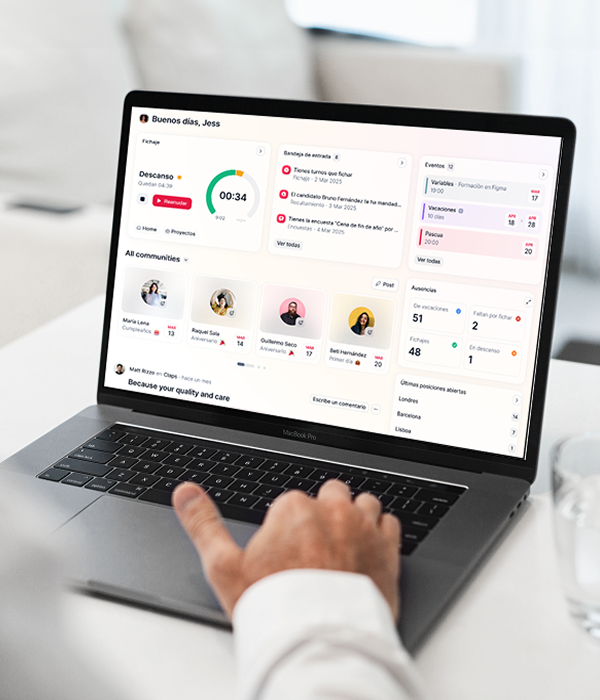
Factorial is a people analytics platform designed to simplify HR data and turn it into clear insights. It brings together absence, time tracking, performance, engagement and workforce data in one system, making reporting faster and more accurate.
One of Factorial’s key strengths is One, its AI-powered agent. One uses your company’s data to answer questions in plain language. HR teams, managers and employees can ask about attrition rates, employee satisfaction or absence trends and get clear summaries without building reports manually. This helps teams understand what is happening and why, without needing advanced analytics skills.
Factorial also helps clean up messy HR data. With everything in one place, it is easier to keep records accurate, track top HR KPIs over time and share insights with stakeholders. This allows HR teams to focus on action rather than administration.
If you want to see how Factorial’s people analytics software works in practice, book a demo and explore how better HR reporting software can support smarter decisions across your organisation.
Frequently asked questions about people analytics software
1. What is people analytics?
People analytics is the process of collecting and analysing employee data to improve business and people outcomes. It helps organisations understand patterns in areas such as performance, engagement, absence and turnover, so they can make better decisions based on evidence rather than assumptions.
2. What’s the difference between HR metrics and HR KPIs?
HR metrics are measurements that track specific data points, such as absence rate or time to hire. HR KPIs are a smaller set of metrics that are linked to business goals. KPIs focus on what matters most and help measure progress towards success.
3. What are the most useful people analytics KPIs for small businesses?
Small businesses often focus on simple, high-impact KPIs. These may include employee turnover rate, absence rate, time to hire, engagement scores and average overtime. Tracking a small number of clear KPIs makes it easier to act on insights without extra complexity.
4. Does people analytics need to comply with UK GDPR requirements?
Yes. People analytics must comply with UK GDPR and data protection laws. This means collecting only necessary data, keeping it secure and being transparent with employees about how their data is used. Using compliant HR software helps organisations manage these responsibilities more easily.
5. What KPIs can I measure using Factorial’s people analytics?
With Factorial, you can track a wide range of KPIs, including headcount, turnover, absence, time and attendance, engagement, performance and workload trends. Factorial’s people analytics tools and AI agent One help turn this data into clear insights without manual reporting.